The Philippines Has Suspended Raw Ube Exports. Here Is What It Covers.
Fresh tubers and planting material are held at home. Processed ube still ships.
By Philippine Ube
The Philippines has stopped exporting raw ube. In mid-August 2026 the Bureau of Plant Industry (BPI) suspended outbound shipments of fresh Dioscorea alata, effective immediately and until further notice. The Department of Agriculture made the suspension public in September and describes it as indefinite.
The suspension covers fresh ube and ube planting material, whether it is meant for eating, planting or research. Processed ube is outside it.
How much fresh ube was actually leaving
Less than the headlines suggest. The Philippine Statistics Authority's supply and utilization accounts put all ube exports at 460 tonnes in 2022, which was 3.4 percent of the country's supply. The highest year on record was 2021, at 1,139 tonnes.
Those figures count ube leaving the country in every form. The accounts do not separate fresh tubers from powder, halaya and other processed ube, so fresh exports were at most that, and probably less. The accounts also stop at 2022, so nothing more recent is published.
The suspension is not shutting down a large trade. More than nine tenths of Philippine ube was already eaten in the Philippines. What the ban holds back is small in tonnes, and the reason given for it is the planting material inside those tonnes, not their volume.
The date that makes one kind of fraud easier to spot
Since mid-August, no fresh ube can legally leave the Philippines. The phytosanitary certificate it needs to clear customs is no longer being issued. That turns one kind of ube fraud into a simple check.
A fresh tuber sold abroad as Philippine ube either left before the suspension, or it did not leave legally, or it is not Philippine. Fresh ube keeps six to seven months in cold storage at 12 to 16°C, according to the Department of Agriculture Region 02 Ubi Production Guide, so stock that left legally before the ban runs out around February to March 2027. After that, fresh "Philippine ube" on a shelf abroad has no legal explanation.
If you are offered it, ask for the phytosanitary certificate and its date. Processed ube is a different question, and our guide to checking an ube supplier covers it.
What the suspension covers
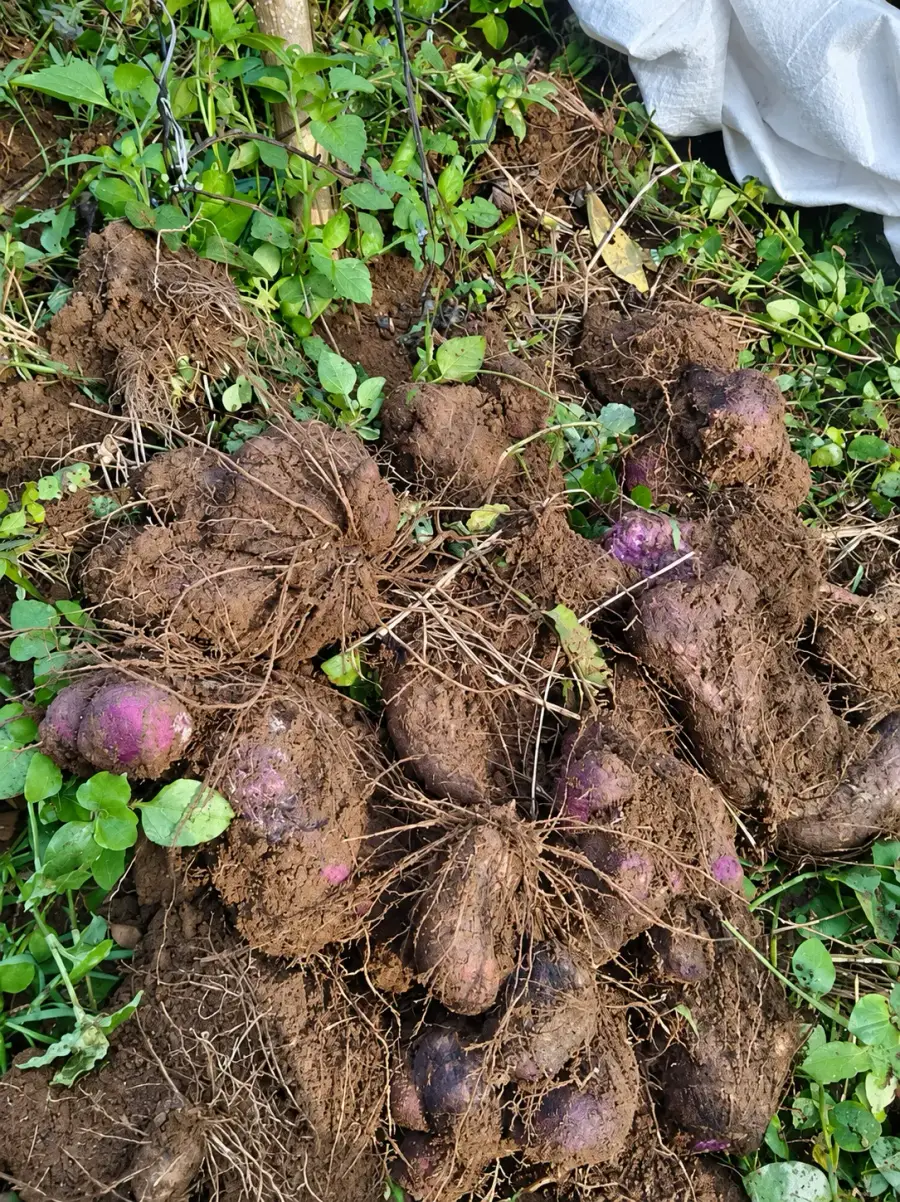
- Fresh ube tubers, the raw root, for any purpose.
- Propagative planting material: setts, tuber pieces and anything else that can grow a new plant.
- All three uses: consumption, planting and research. A shipment labelled for a lab is treated the same as one labelled for a market.
The mechanism is the phytosanitary certificate. BPI Director Glenn Panganiban directed the plant quarantine stations to stop issuing phytosanitary certificates for fresh ube, and the Bureau of Customs has been informed. Without that certificate, a fresh plant product cannot leave the country legally.
The BPI calls this an interim safeguard. The permanent version, which would formally list fresh purple yam among commodities subject to export restrictions, is still being worked through.
What it leaves alone
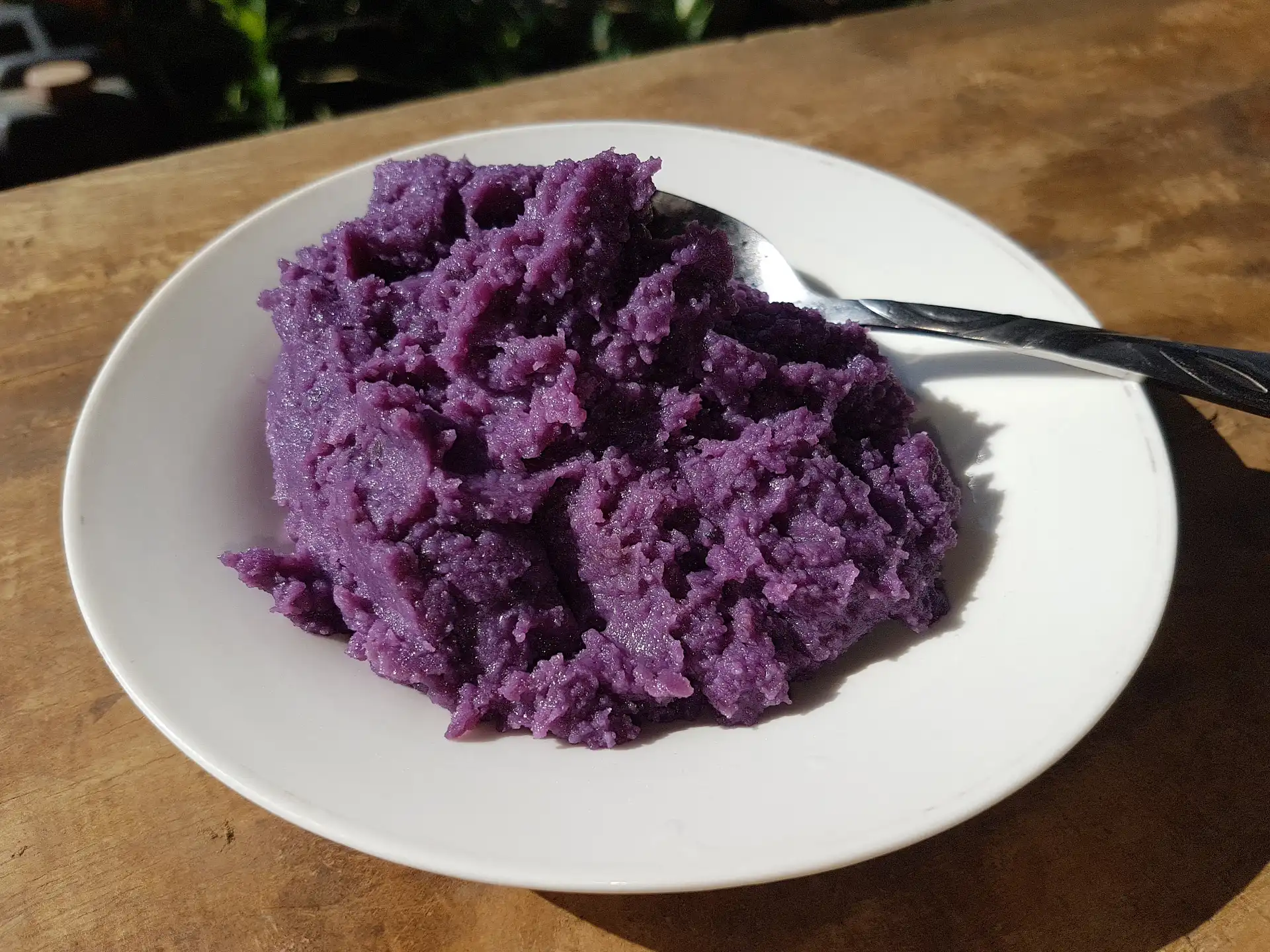
Processed ube products can still be exported. Powder, halaya, jam and other finished goods are made from ube but cannot be planted, and the published reporting describes the suspension as limited to fresh tubers and propagative material.
The reporting we have seen does not list frozen ube by name either way. If you import frozen product, confirm with your supplier that their shipments are still clearing before you plan around them.
Why a tuber is also a planting
This is the part that makes ube different from most crops. Ube is grown from pieces of last season's tuber, called setts. There are other ways to propagate it, but setts are how most of the country plants. The thing you eat and the thing you plant are the same object.
That means every fresh tuber that leaves the Philippines is also a potential planting leaving the Philippines. It carries its variety with it. Once it is in the ground somewhere else, that variety is growing somewhere else.
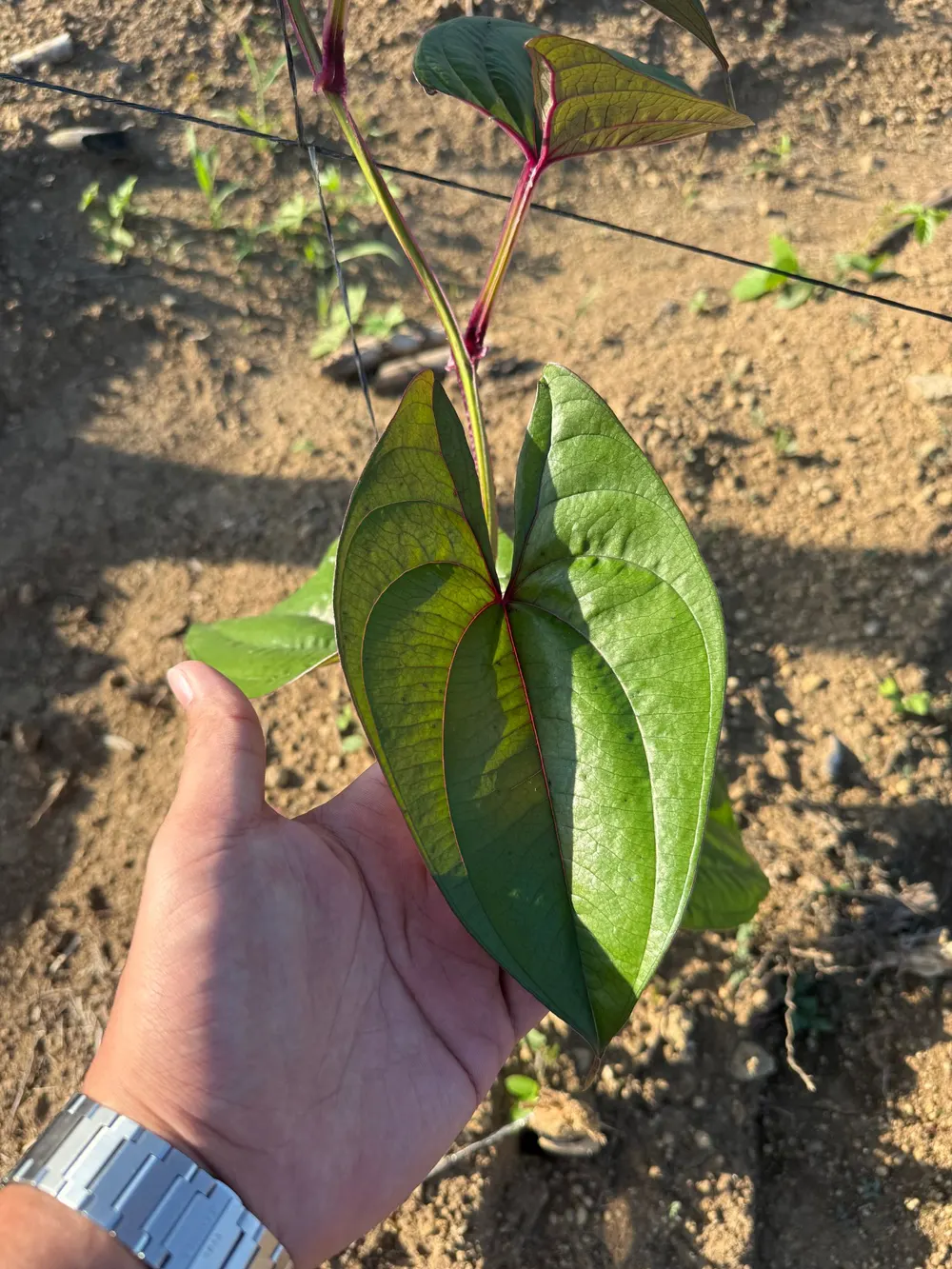
Agriculture Secretary Francisco Tiu Laurel Jr. put the reasoning plainly: "We severely lack planting material ourselves, and we don't want to export it to countries that could use Philippine ube varieties to compete with us."
The first half of that sentence is the one farmers will recognise. Planting material is the hardest and costliest thing for a smallholder to secure. The Department of Agriculture Region 02 Ubi Production Guide puts a hectare at 20,000 to 27,778 setts, which is two to three tonnes of tuber buried before anything grows. Our farmgate and production data shows how national output has fallen, and planting material shortages are one of the main reasons.
The varieties question
Alongside the suspension, the Department of Agriculture and researchers at the University of the Philippines Los Baños are genetically mapping Philippine ube varieties. The stated aims are to protect native varieties from biopiracy, to verify authenticity in export markets, and to support the development of higher-yielding and climate-resilient varieties.
The second aim matters to anyone who buys ube abroad. A genetic map gives a way to check whether a product labelled Philippine ube is Philippine ube. That is the same question our Tatak Ube certification is built around, and a government reference would make every answer to it stronger. The ube varieties guide covers the cultivars as they stand now.
The government has also approved a PHP 300 million budget for the ube industry in 2027.
What it means if you buy ube abroad
- Fresh Philippine tubers have stopped shipping. If your supply chain depended on them, it needs another form.
- Processed forms still ship. Powder and halaya are made in the Philippines from Philippine tubers and exported as finished goods. Our wholesale page covers what we supply and where.
What it means if you farm ube here
Planting material stays in the country, which is the point. For growers that means the material exists here to be planted here. We supply verified ube planting materials to Philippine farms, cut from export-grade tubers with the variety named, and nothing about the suspension changes that, since it only concerns shipments leaving the country.
If you already have a harvest, the buyers for it are domestic processors, cooperatives and exporters of finished goods. Where to sell ube in the Philippines compares the routes.
Where we stand
This is our view, not the Department of Agriculture's. We think the reasoning is right. The constraint on Philippine ube has never been demand. It has been the material to plant, and a country short of planting material has good reason not to send it abroad. A suspension on its own does not grow more of it, though. The 2027 budget and the variety mapping are what would, and those are the parts we will be watching.
What is still open
The suspension is interim and indefinite. The formal export restriction has not been issued yet, and neither has any detail on how long the suspension will run or what would end it. We will update this article when the BPI publishes the permanent rule.
Sources
- Department of Agriculture, "DA indefinitely suspends raw ube exports to secure planting materials," September 2026.
- BusinessMirror, "PHL bans exports of purple yam as global demand soars," 11 September 2026.
- The Philippine Star, "Government suspends shipments of raw ube," 14 September 2026.
- Philippine Statistics Authority, Rootcrops: Supply Utilization Accounts (table 2B5ESUA1), 1990 to 2022, via OpenSTAT.
- Department of Agriculture Region 02, Ubi Production Guide, 2012 (planting rate and cold storage).
Frequently Asked Questions
Has the Philippines banned ube exports?
The Philippines has suspended exports of fresh ube and ube planting material. The Bureau of Plant Industry issued the suspension in mid-August 2026, effective immediately and until further notice, and the Department of Agriculture describes it as indefinite. Processed ube products such as powder and halaya can still be exported.
How much fresh ube did the Philippines export?
Not much. PSA's supply and utilization accounts put all ube exports, in every form, at 460 tonnes in 2022, or 3.4 percent of national supply, with a peak of 1,139 tonnes in 2021. The accounts do not separate fresh tubers from processed ube, so fresh exports were at most those figures. The series ends in 2022.
How can I tell if fresh ube sold abroad is really from the Philippines?
Since mid-August 2026 the Philippines has stopped issuing phytosanitary certificates for fresh ube exports. Fresh ube keeps about six to seven months in cold storage, so tubers exported legally before the suspension should be gone by around February to March 2027. Ask the seller for the phytosanitary certificate and check its date.
Why did the Philippines stop exporting fresh ube?
To keep planting material in the country. Ube is grown from pieces of tuber, so every fresh tuber exported is also potential planting material. The Department of Agriculture says the country is short of planting material and does not want Philippine varieties used to compete with Philippine growers.
Can I still buy ube powder from the Philippines?
Yes. The suspension covers fresh tubers and propagative planting material. Processed products, including ube powder and halaya, are outside it and continue to be exported.
Does the ube export ban cover frozen ube?
The published reporting describes the suspension as covering fresh ube and propagative planting material, and does not name frozen ube either way. If you import frozen ube, confirm with your supplier that shipments are clearing.
How long will the ube export suspension last?
No end date has been given. The Bureau of Plant Industry calls it an interim safeguard while a formal export restriction on fresh purple yam is prepared.