Stories of heritage, farming, and the people behind the purple yam.
The Philippine FDA wrote a formal national standard for ube halaya, PNS/FDA 24:2010, spelling out pH, water activity, and sterility requirements in real detail. Meanwhile the government's own supply and utilization accounts show ube processing at exactly zero tonnes for 33 straight years, in a country with a halaya industry, an ice cream industry, and a bakery in every town. Both are real documents. Neither is lying. That's the actual problem.
Most of the world's first taste of ube was not ube. Purple sweet potato, Chinese yam, dyed taro, and synthetic flavour are setting the reference price for a Philippine crop whose national output has more than halved since 2006 while the world's appetite for the flavour compounds. Here is what adulteration actually does, a restrained estimate of what it costs the Philippines, and the checks I would run if I were the one buying.
We asked DOST-FNRI for their official ube composition data. Alongside the raw figures, their tables include a boiled entry most sources never quote: energy down from 97 to 77 kcal, vitamin C down from 6 to 4mg, and a sugar content so low (0.4g per 100g) it settles where ube's perceived sweetness actually comes from.
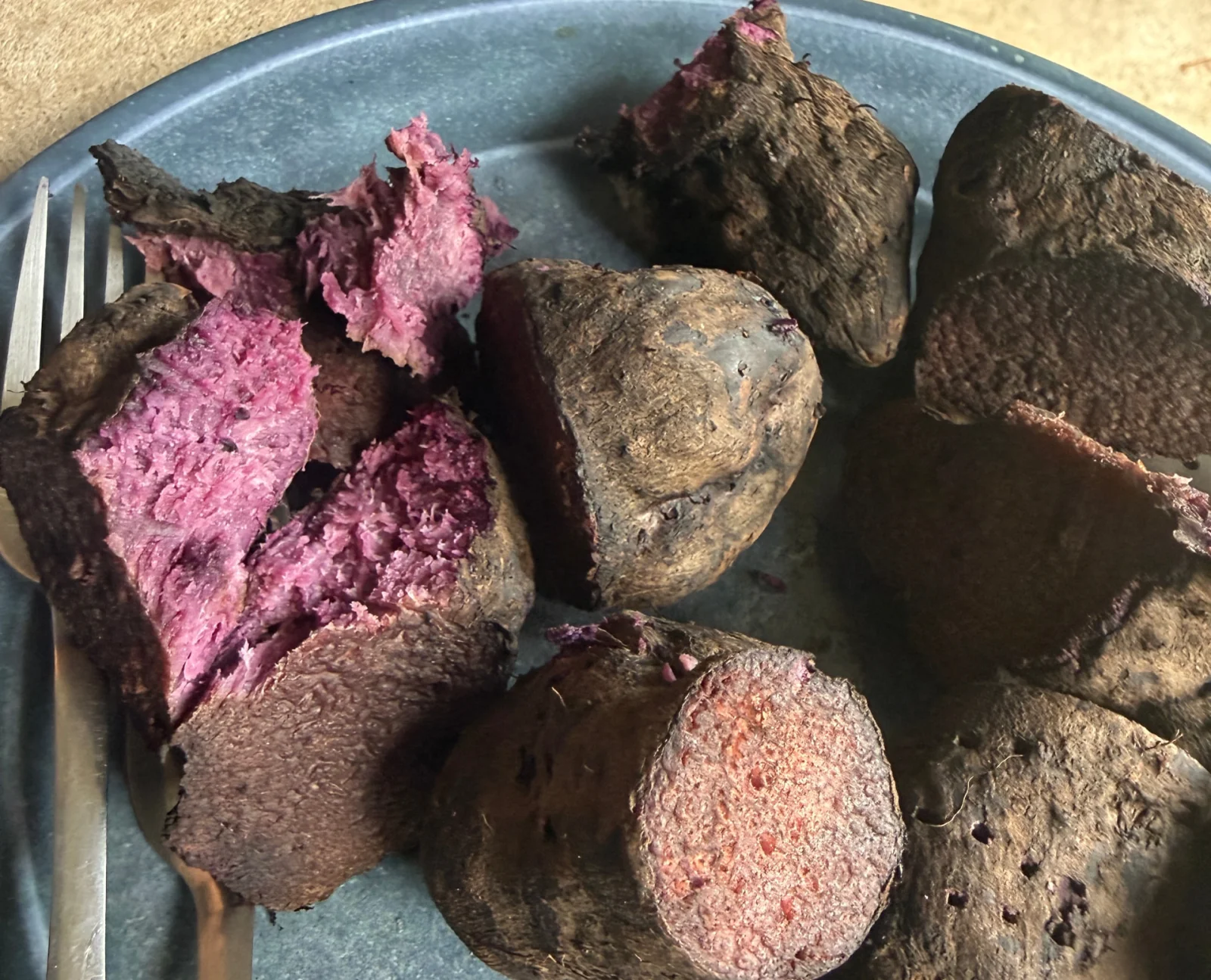
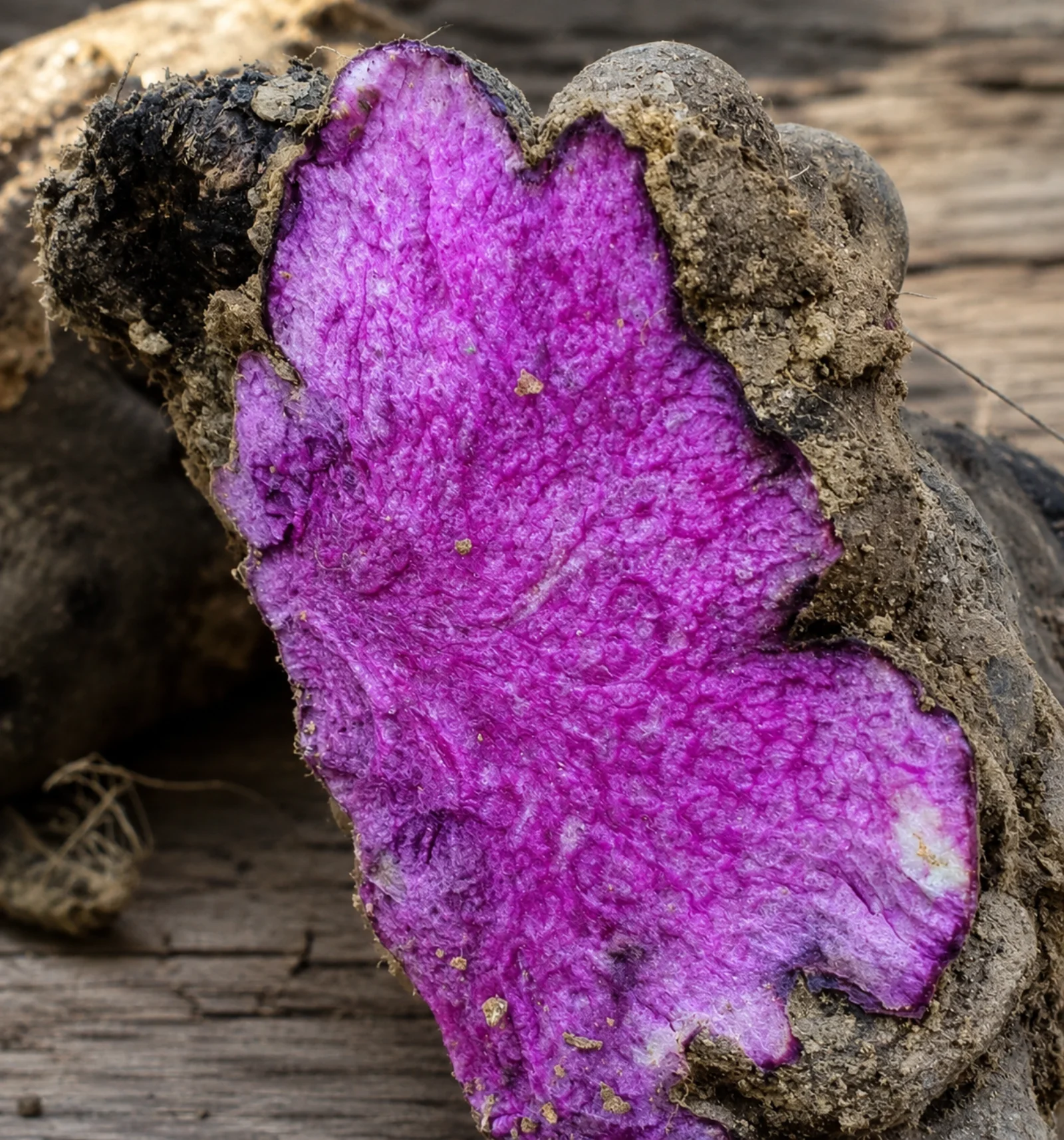
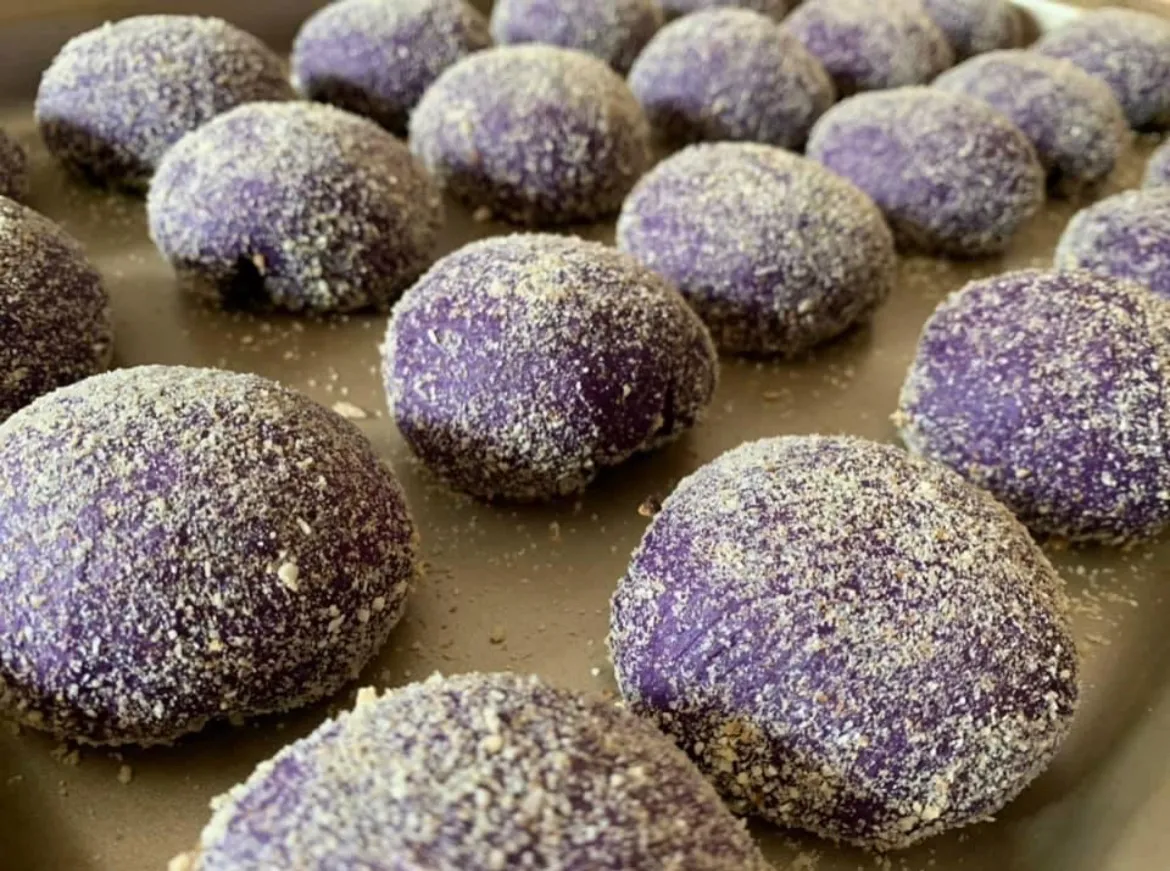
Cut open enough ube tubers and you'll find the purple isn't always uniform: darker at the stem, lighter at the base, sometimes white in the middle. A published study of 70 Philippine ube accessions found only 64.3% showed uniform flesh color across a cross-section. Here's the genetics behind it.
Ube tastes mildly sweet and creamy, with notes of vanilla, toasted nut, and white chocolate, plus a faint earthiness. But the real answer is that ube does not taste like one fixed thing — variety, growing region, and processing all change the flavor. Here is what to actually expect.
Our ube is not the cheapest option in your inbox. It will never be. Here is exactly what goes into the price when your entire supply chain — farm, post-harvest, milling, packaging, export — sits in the Philippines, and why buyers who care about what is actually in the bag end up here.
Everything Korean importers need to know about bringing Philippine ube into South Korea: MFDS inspection types, facility registration, documentation requirements, shipping logistics, and labeling compliance.
Finding a legitimate Philippine ube supplier with proper certifications, a real website, and export-ready products is almost impossible. Here's what we found and why most buyers end up sourcing from the wrong places.
European wholesalers, Indonesian suppliers, American brands: everyone is profiting from ube except the Filipino farmers who grow it. Here's why that needs to change, and why we built Philippine Ube to change it.
From Austronesian migration to Instagram virality: a detailed timeline of ube's journey through Philippine history, from pre-colonial root crop to global food phenomenon.
The ube supply chain is opaque: multiple middlemen, no traceability, and no accountability. Here's how Philippine Ube is building a different model, and what importers should demand.
The story of how ube went from a Filipino diaspora specialty to mainstream American grocery shelves, and the cultural tensions that came with it.
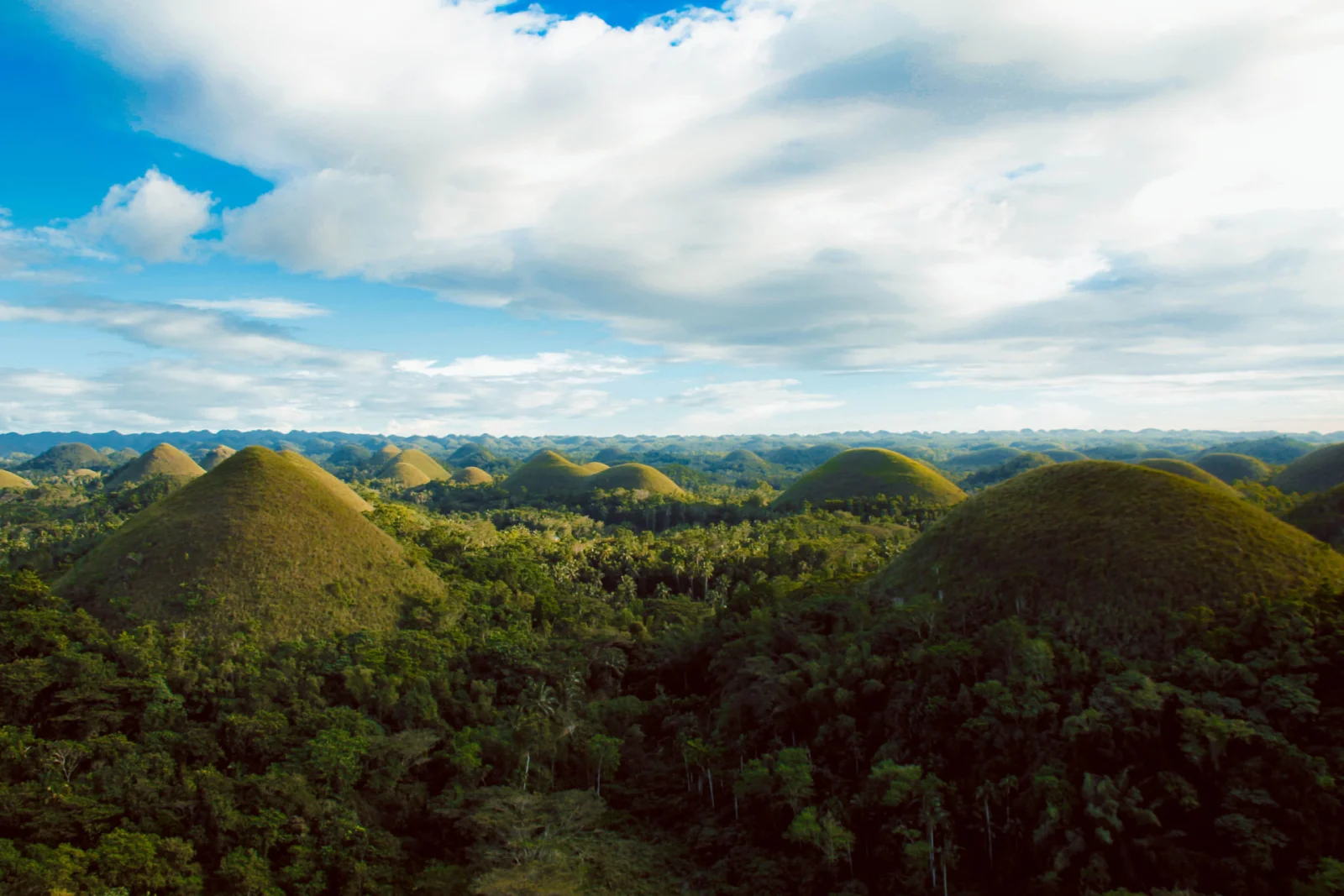
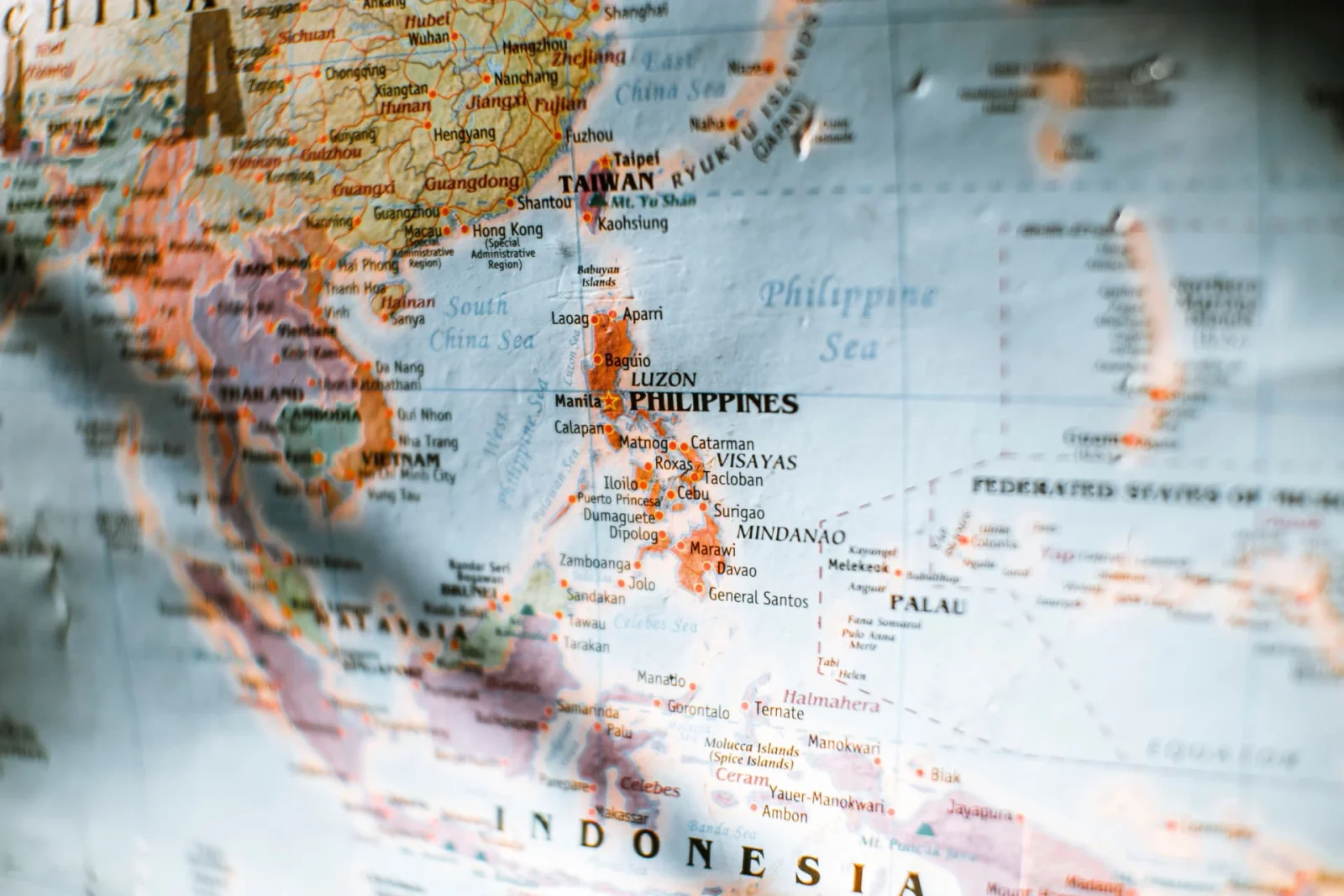
Bohol province produces roughly 32% of the Philippines' ube by volume, from approximately 300 hectares of cultivation. A profile of the region, its farmers, and the challenges they face.
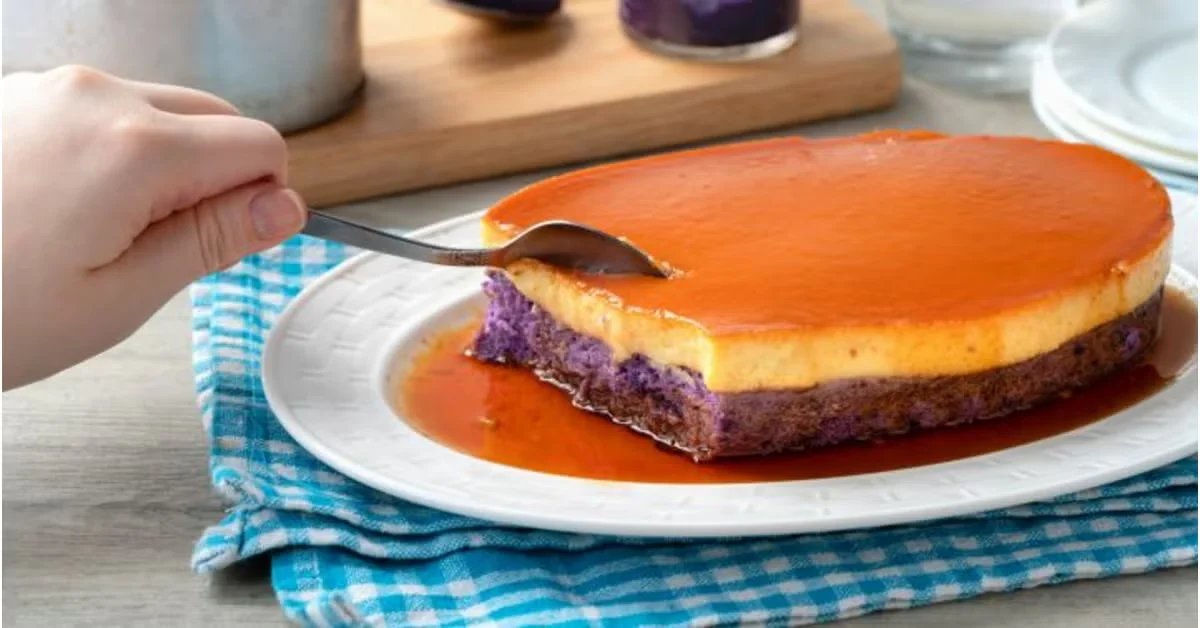
Ube leche flan combines two of the Philippines' most beloved desserts, creamy leche flan and rich ube halaya, in a layered masterpiece. Here's the traditional recipe with full measurements.
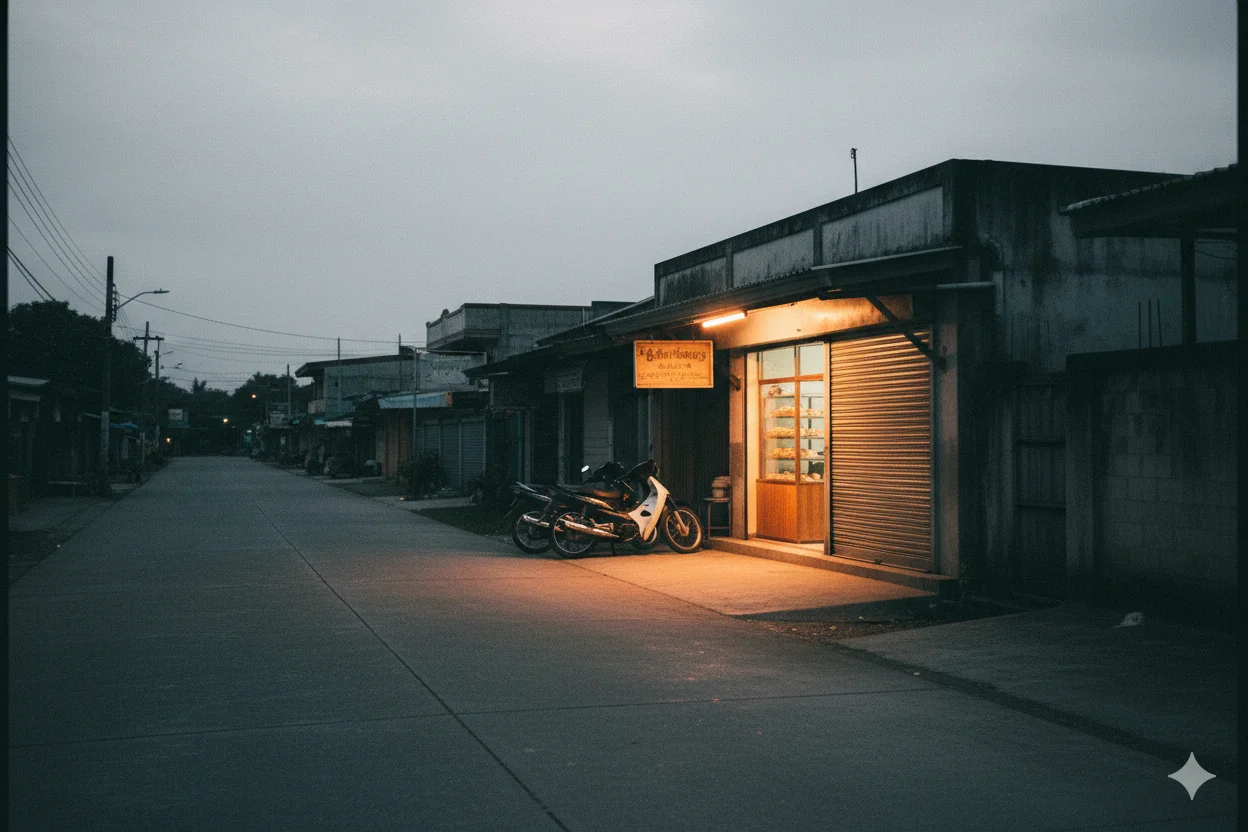
In September 2020, ube cheese pandesal went from a niche offering to a nationwide sensation, with bakeries selling millions daily. Here's how it happened and why it endured.
The Philippine government spends billions on rice while ube, a crop with $943M global market potential, receives virtually no support. A data-driven analysis of policy failure.
Some people think grading ube is unnecessary, that we are being ma-arte. But every premium agricultural product in the world uses grading. Without it, ube stays a commodity and Filipino farmers stay poor.
When ube started appearing in American doughnut shops and ice cream parlors around 2017, it was hailed as a 'discovery.' But for Filipinos, ube has never been new. It has been a cornerstone of our culinary identity for generations.
Ube has gone global, but who benefits? We explore the cultural appropriation debate, the difference between ube and taro, and why Filipino ownership of the ube story matters.
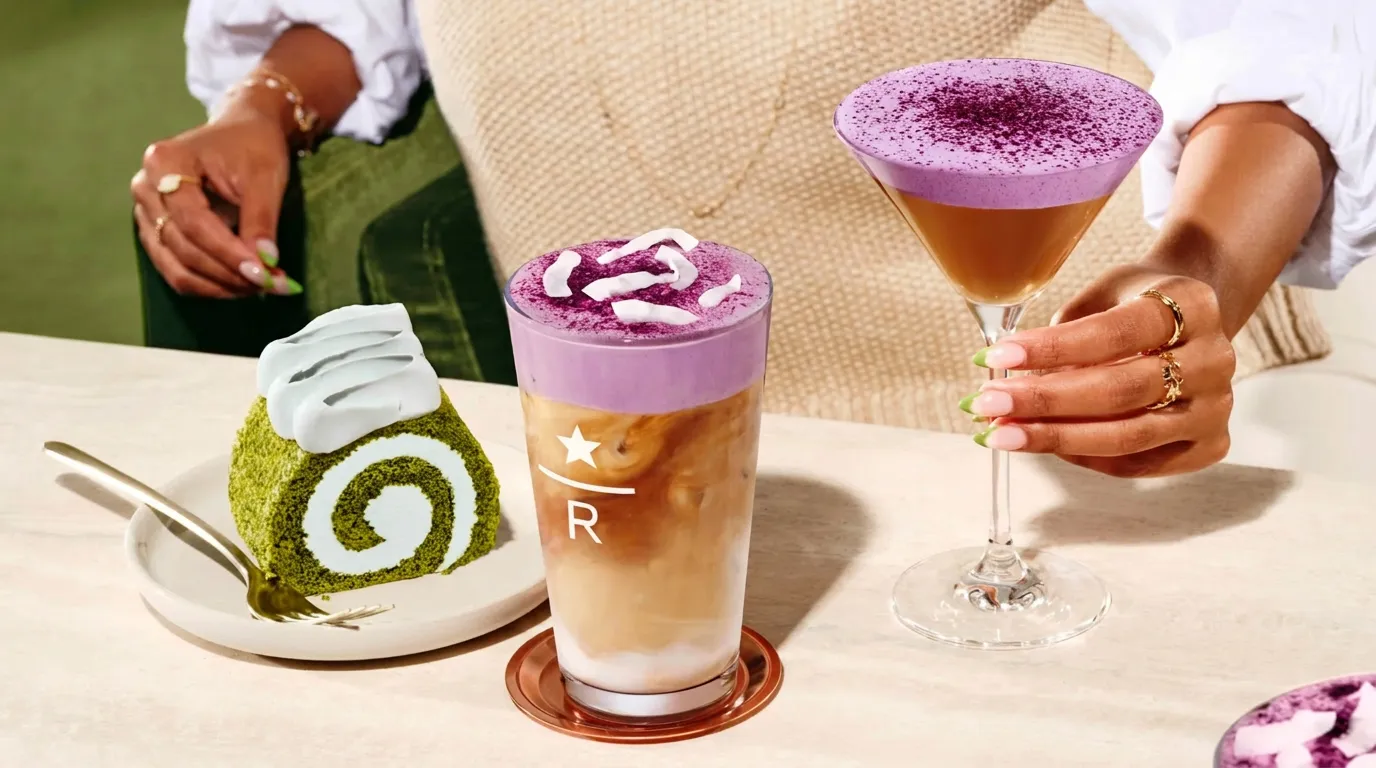
Starbucks launched its Purple Reign ube campaign for spring 2026. Filipino communities are pushing back on pronunciation, authenticity, and who benefits. Here's our take.
Ube halaya is labor. It's hours of stirring over low heat, a meditation passed down through generations. Reducing it to a 'purple jam' erases the craft, the patience, and the love embedded in every batch.
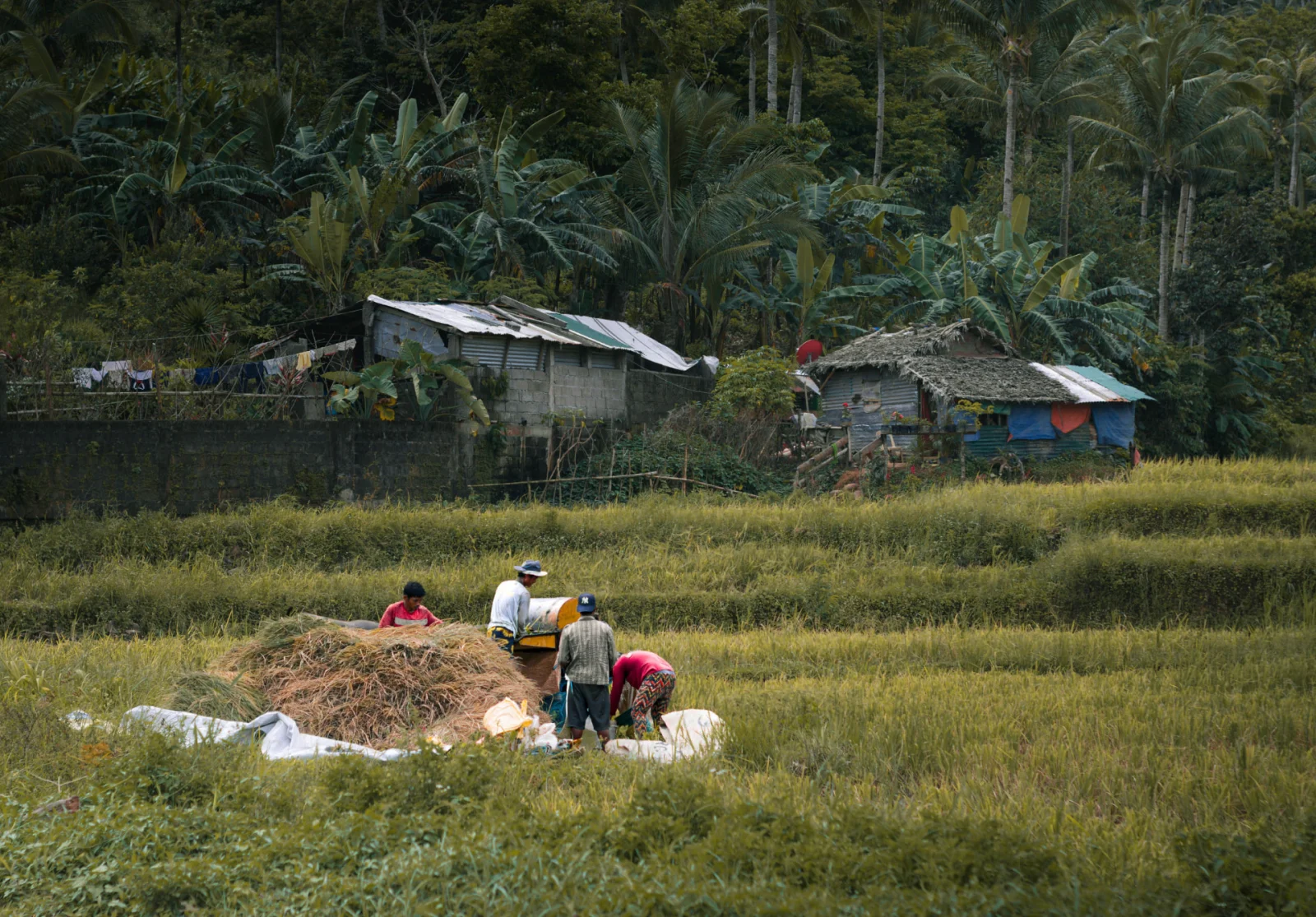
In Bohol and Leyte, farming families have cultivated ube for generations. As global demand rises, they see little of the profit. This is their story.
Ube appears at every significant Filipino gathering: birthdays, weddings, Christmas, and even wakes. Its presence is a quiet constant that speaks to community and care.
An authentic ube pandesal recipe using 100% real Philippine ube powder. No extracts, no food coloring. The classic Filipino ube bread, made the way bakeries in Manila make it.