It's OO-BEH, Not "OOB": What the Starbucks Ube Launch Gets Wrong About Filipino Heritage
By Philippine Ube
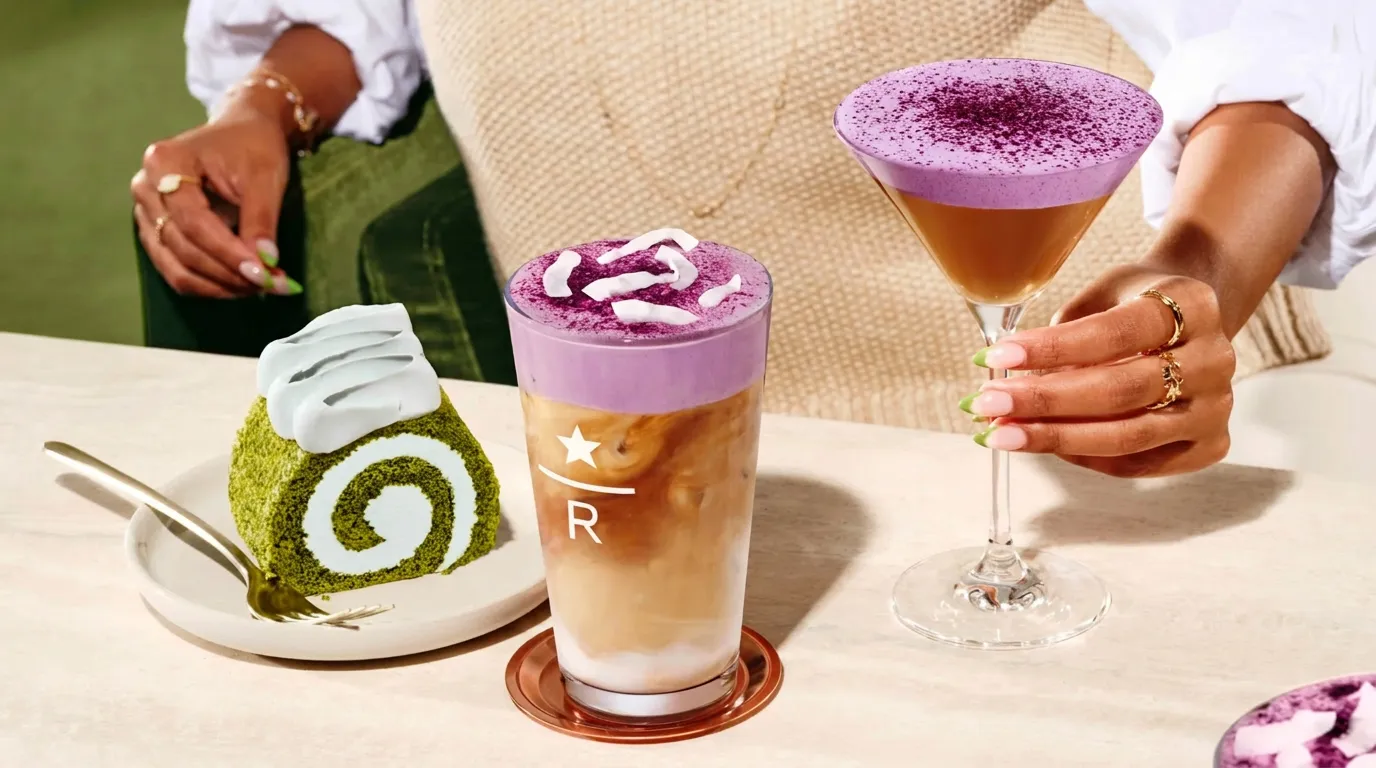
Starbucks rolled out its spring 2026 menu in early March with a new "Purple Reign" campaign built around ube. The Iced Ube Coconut Macchiato, the Ube Vanilla Velvet Latte, ube coconut cold foam as a customizable add-on. Purple drinks across the US, UK, and Europe. A massive global rollout for a Filipino ingredient.
Within days, TikTok was flooded with influencers excitedly reviewing a drink made with something they called "OOB."
Not oo-beh. Not even close. OOB. Like a sound you would make if someone elbowed you in the ribs.
The mispronunciation went viral. Filipino communities responded with a mix of humor, frustration, and a deeper question that the pronunciation debate only scratches the surface of: when a global corporation turns a Filipino heritage ingredient into a seasonal marketing campaign, who actually benefits?
How to pronounce ube (for the record)
Ube is pronounced oo-beh. Two syllables.
It is a Tagalog word. It is not difficult to say. Starbucks' own EMEA press materials include the pronunciation guide "(pronounced oo-beh)" right in the copy. The information is there. It is just not reaching the people recording TikToks about the drink.
The frustration in the Filipino community is not really about phonetics. It is about pattern recognition. People can say "macchiato" and "chamomile" without flinching, but a three-letter Filipino word becomes "OOB." The selectivity of which foreign words get respected and which get mangled tells you something about which cultures are treated as worthy of precision.
What Starbucks actually said
To their credit, Starbucks did acknowledge ube's Filipino origins in their campaign materials. A spokesperson stated that the Ube range is "inspired by flavours of the Philippines, where ube has long been used in traditional desserts such as cakes." The EMEA press release goes further, calling ube "an ingredient brimming with heritage."
That is more attribution than many brands offer. It is a significant step from the generic "purple yam" labeling that has plagued the ube market for years.
But attribution in a press release and authenticity in a cup are two different things.
The taste test: "It's just not ube"
Filipino reviewers across TikTok, Threads, and X have been blunt in their assessments of the big chain ube drinks. Tasters working through Starbucks' and Costa Coffee's ube lineups consistently reported that the drinks did not deliver ube's distinctive nutty, sweet, earthy flavor — the purple was there, the ube taste was either barely present or missing entirely.
The disconnect makes sense when you consider what ube actually tastes like. Real ube has a sweet, earthy flavor with nutty vanilla notes, a result of elevated glucose concentrations in the tuber. It is subtle but distinctive.
The deeper issue: who captures the value?
The pronunciation debate and the authenticity debate are really proxies for the economic question: where does the money go?
Starbucks' Purple Reign campaign will generate millions in revenue from ube-branded drinks this spring. That revenue flows to Starbucks shareholders, not to Filipino farmers. The ube powder or flavoring in those drinks almost certainly does not come from a small farm in Bohol or Leyte.
Meanwhile, the numbers tell a stark story. Philippine yam and tuber exports (which include ube) totaled an estimated US$3 million in 2025, based on broader HS code trade data. The entire global ube market is valued at US$455 million. Philippine farmers, who produce more ube than anyone else in the world, capture less than 1% of the global market value of their own heritage crop.
What Filipino communities are saying
The Filipino response to the Starbucks launch is not monolithic. Some celebrate the visibility. Ube being on the Starbucks menu means millions of people around the world are now aware of a Filipino ingredient.
Others are more skeptical. The biggest beneficiaries of the ube trend in the US are not Filipino businesses. It is mainstream brands that appropriated the aesthetic without the cultural context.
The pattern is familiar. It is the same dynamic that played out with matcha. Japan's tea ceremony culture gave matcha a premium positioning that Japanese farmers and producers benefit from. But Japan built that positioning deliberately, with geographical indication protection, subsidized cooperatives, and a national quality brand.
The Philippines has not yet built that infrastructure for ube. Without it, the awareness that Starbucks creates flows to Starbucks, not to the Philippines.
What we are doing about it
At Philippine Ube, we believe the answer is not to gatekeep ube or to demand that Starbucks stop selling purple drinks. The genie is out of the bottle. Ube is going global whether the Philippines is ready or not.
The answer is to make sure the Philippines is ready.
That means building the supply chain that connects Filipino farmers directly to the global buyers who want authentic ube. It means creating the content and the brand infrastructure that makes "Philippine Ube" mean something specific, the way "Japanese matcha" and "French Champagne" mean something specific.
Direct sourcing from Filipino farms. Our ube comes from Bohol. Not from a global ingredients supplier. Not from a flavor lab. From farms, with names and faces attached.
Education at scale. Every article on this site exists to make Philippine Ube the most authoritative voice on ube in the English-speaking internet.
Saying the name correctly. It is oo-beh. Every time. On every page, in every conversation, on every label. Language carries culture. Getting the name right is the minimum.
Building the origin brand. The Kinampay variety from Bohol is in the process of receiving Geographical Indication protection from IPOPHL. That is the beginning of a "Philippine Ube" origin label that carries legal weight.
The Starbucks Purple Reign will end when summer arrives and the seasonal menu rotates. Ube will keep growing in Bohol. The question is whether the next wave of global demand flows to Filipino farms or to the same commodity supply chains that turned ube into "OOB."
We know which side we are on.
Sources: Starbucks Stories EMEA "Purple Reign" press release (March 6, 2026), Starbucks US spring menu announcement (March 2, 2026), South West Londoner (March 12, 2026), Axios (March 2, 2026), DTI export data, PSA production statistics, Transparency Market Research.
Frequently Asked Questions
How do you pronounce ube?
Ube is pronounced oo-beh (two syllables, with emphasis on the first). It is a Tagalog word for the purple yam Dioscorea alata, native to the Philippines. It is not pronounced 'oob,' 'oob-ay,' or 'you-bee.'
Does the Starbucks ube drink taste like real ube?
Multiple Filipino reviewers have noted that Starbucks' ube drinks do not capture the distinctive nutty, sweet, earthy flavor of authentic ube. The drinks feature ube-flavored sauce or syrup rather than real ube puree or halaya, resulting in a product that looks purple but tastes primarily of coconut and vanilla.
Is Starbucks using real ube in their drinks?
Starbucks uses an 'Ube Vanilla-flavour sauce' and 'Ube Coconut Cream Cold Foam' in their spring 2026 drinks. These are formulated flavor products designed for global supply chain consistency, not fresh ube or traditional ube halaya preparation.
Where does Starbucks source its ube from?
Starbucks has not publicly disclosed the sourcing of its ube flavoring ingredients. Given the scale of a global Starbucks rollout, it is unlikely that the flavoring is sourced directly from small-scale Filipino ube farms.
How can I try authentic ube?
Support Filipino-owned bakeries, ice cream shops, and food businesses that use real ube in their products. For wholesale sourcing, direct-from-farm suppliers like Philippine Ube offer traceable, farm-origin ube products.