How Ube Conquered America: From Filipino Bakeries to Trader Joe's
By Philippine Ube
In 2015, most Americans had never heard of ube. By 2020, it was everywhere: in Trader Joe's freezers, on Bon Appétit's YouTube channel, in the pastry cases of non-Filipino bakeries across the country. The purple yam that Filipino-Americans grew up eating at family gatherings had become a "food trend."
This is the story of how that happened, what it means, and why the Filipino community's relationship with ube's American success is complicated.
The diaspora foundation (1970s–2010s)
Ube's American presence began decades before it went mainstream. Filipino immigration to the United States accelerated after the Immigration and Nationality Act of 1965, and by the 1980s, Filipino communities in Los Angeles, the San Francisco Bay Area, New York/New Jersey, and Chicago had established networks of bakeries, restaurants, and grocery stores that served Filipino food to Filipino customers.
These bakeries (places like Goldilocks, Red Ribbon, Valerio's in Los Angeles, and Purple Yam in Brooklyn) sold ube halaya, ube pandesal, ube ice cream, and ube cake to a clientele that already knew what ube was. The product did not need explanation. It was home food.
For decades, ube existed in America within this enclosed ecosystem. Non-Filipino Americans walking past a Filipino bakery window might notice the purple desserts, but there was no broader cultural awareness. Ube was invisible to mainstream food media.
The Instagram inflection (2014–2017)
Instagram changed everything. The platform's visual-first format created a new metric for food: was it photogenic? Ube's vivid purple, natural, intense, and unlike anything else in the dessert case, was inherently "Instagram-worthy."
Several catalytic moments accelerated awareness:
- 2014–2015: Filipino-American food bloggers and creators begin posting ube content that reaches beyond Filipino audiences. The hashtag #ube begins growing on Instagram
- 2016: Manila Social Club in Brooklyn creates a $100 24-karat gold ube donut, generating massive press coverage from outlets that had never previously mentioned ube
- 2016–2017: Food publications (Bon Appétit, Eater, Food & Wine, The New York Times) publish their first dedicated ube features, introducing the ingredient to mainstream American food culture
The coverage followed a pattern familiar from other "discovered" ethnic foods: explanation of the exotic ingredient, photogenic visuals, and enthusiastic endorsement by (predominantly white) food media gatekeepers. Filipino-Americans noticed that the food they had been eating their entire lives was suddenly being "discovered" and explained back to them.
Mainstream breakout (2018–2022)
The period from 2018 to 2022 saw ube cross from food-media awareness to mass-market retail:
2018–2019: Multiple US ice cream brands introduce ube flavors, and ube desserts expand into independent bakeries and pastry menus across major cities.
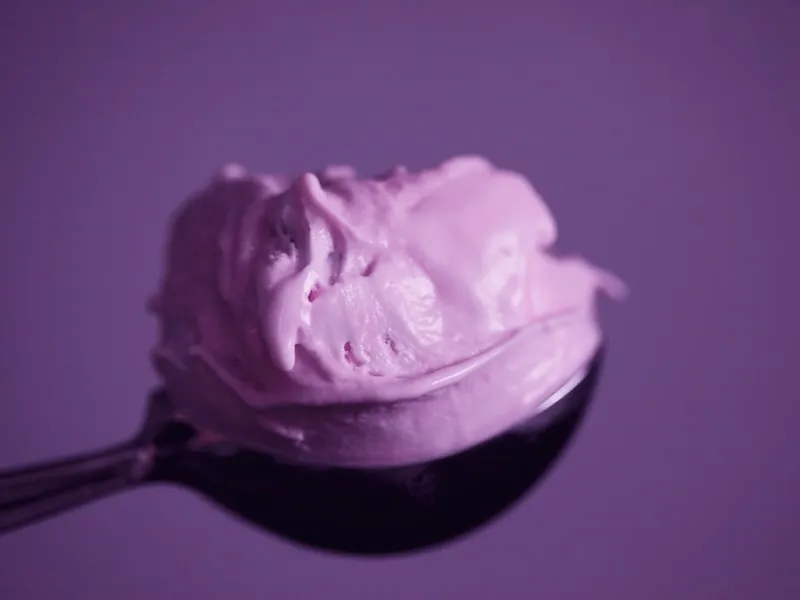
2019: Trader Joe's launches ube ice cream, the first major mass-retail ube product. It sells out repeatedly. Trader Joe's ube mochi ice cream follows in 2021, extending the category. This was the true inflection point, when ube moved from specialty to commodity retail.
2020: Jollibee, the Filipino fast food chain, expands aggressively in the US with ube-featuring menu items. Simultaneously, the pandemic ube pandesal phenomenon in the Philippines creates additional global media coverage.
2021–2022: Ube product launches in the US market explode. Mintel's Global New Products Database tracked hundreds of ube-featuring products launching globally during this period, with a peak single-year count of 359 across food, beverage, and personal care categories. Starbucks tests ube beverages. Target, Whole Foods, and Costco all stock ube products.
The cultural tension
For many Filipino-Americans, ube's mainstream success has been bittersweet. The core tension, as explored in our article on ube and cultural appropriation, centers on several issues:
Credit and visibility. When Trader Joe's or Starbucks launches an ube product, the marketing rarely centers Filipino culture or credits Filipino culinary heritage. Ube is presented as a "trendy purple ingredient" rather than a food with deep cultural roots. As we wrote in Ube Is Not a Trend, It's a Heritage, reducing ube to its color erases centuries of meaning.
Pronunciation. Mainstream adoption came with widespread mispronunciation. It's OO-beh, not "oob", and the persistent mispronunciation signals the superficiality of the adoption. If you have not learned to say the word, how deeply have you engaged with the culture?
Authenticity erosion. Most mass-market "ube" products contain no real ube. They use artificial flavoring and synthetic purple dye, or substitute purple sweet potato. The "ube trend" has, in practice, created a market dominated by fake ube, profitable for American corporations and irrelevant to Philippine ube farmers.
Economic disconnect. The Philippine ube farmers who grow the actual crop have seen none of the economic benefit from ube's American popularity. The global ube market is projected to reach US$943 million by 2035, but Philippine ube exports are just US$3 million. The value is being captured by companies that do not source from the Philippines.
What comes next
Ube is not going to disappear from the American food scene. It has moved beyond "trend" to established flavor category. The question is whether the next phase of ube in America will involve authentic Philippine sourcing, proper cultural credit, and economic benefit flowing to Filipino farmers, or whether it will remain a purple color extracted from commodities that have nothing to do with the Philippines.
The specialty coffee model offers a template: consumers eventually demanded to know the origin, the farmer, and the story behind their coffee. The same shift is possible for ube, but it requires Filipino voices, Filipino producers, and Filipino-owned businesses to lead the conversation.
Sources
- Mintel Global New Products Database: Ube product launch tracking, 2018–2025
- Nielsen IQ: Retail sales data for specialty flavored products, US market
- Specialty Food Association: Trend reports and category analysis
- US Census Bureau: Filipino-American population data
Frequently Asked Questions
When did ube become popular in America?
Ube existed in Filipino-American bakeries for decades, but mainstream awareness began around 2016–2017 through Instagram and food media coverage. The 2019 Trader Joe's ube ice cream and mochi launch was the mass-market breakout moment.
Does Trader Joe's ube contain real ube?
Trader Joe's ube products use ube as an ingredient, though the exact sourcing and formulation varies by product. Check ingredient labels for 'Dioscorea alata' (real ube) versus 'purple sweet potato' (Ipomoea batatas) or artificial colorants.
Is ube a food trend or a cultural food?
Ube is a cultural staple with thousands of years of history in the Philippines. In the American market, it has been adopted as a food trend, which Filipino-Americans have noted often comes without proper cultural credit or economic benefit to Philippine farmers.