Ube vs. Cultural Appropriation: Who Owns the Purple Yam?
By Philippine Ube
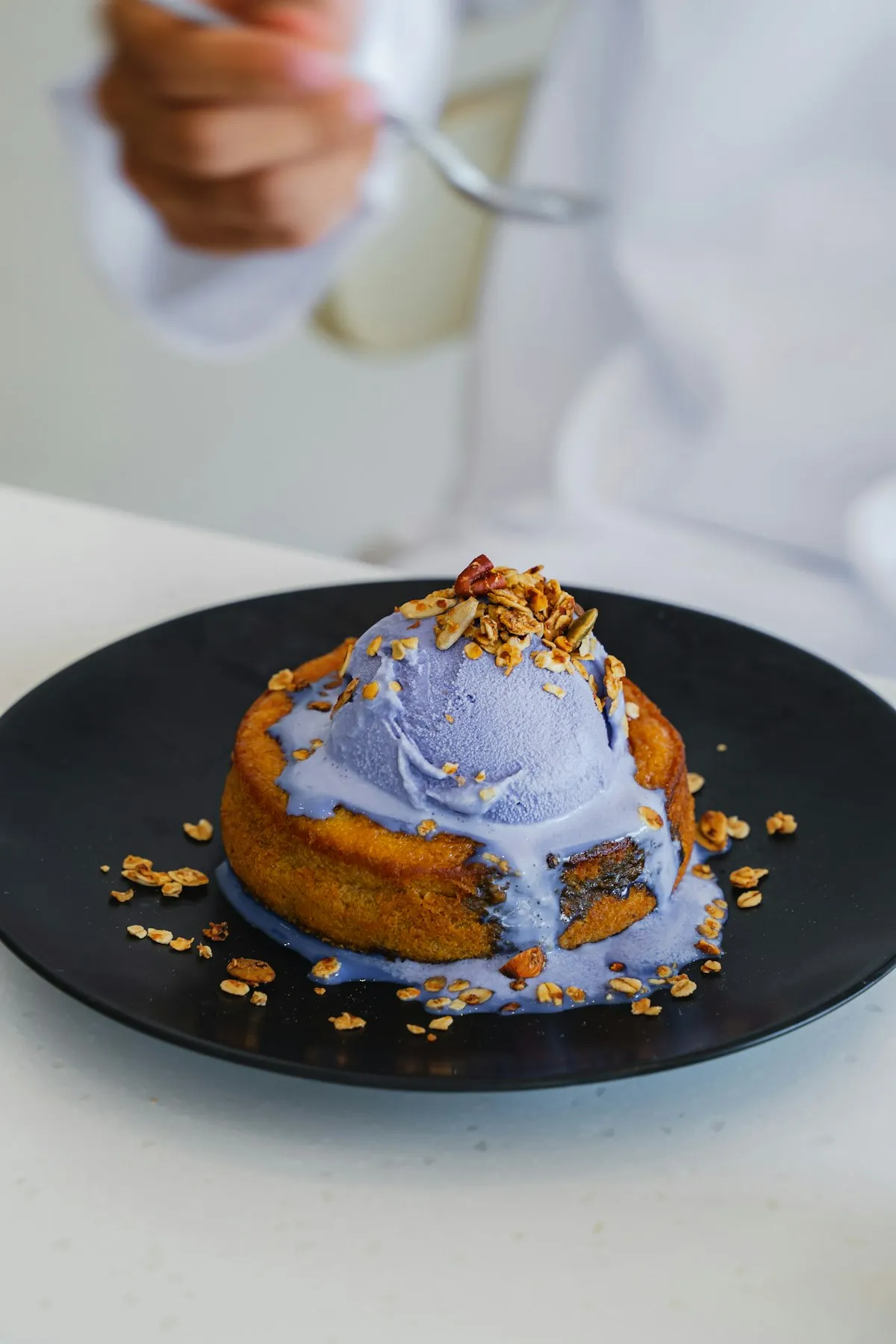
Ube was named the 2024 Flavor of the Year by Monin and T. Hasegawa. You can find it in ice cream at Trader Joe's, lattes at specialty coffee shops from Starbucks to independents, and pastry menus from New York to Melbourne to London.
The purple yam has arrived. The question that Filipino communities around the world are asking is: at whose expense?
The appropriation argument
The concern is not that non-Filipinos are eating ube. The concern is that ube is being globalized without acknowledgment of where it comes from, who grows it, and what it means.
When a major American retailer sells an "ube" product that is actually made from taro and purple food dye, that is not cultural exchange. It is mislabeling. When a global coffee chain charges a premium for an ube latte without any connection to Philippine sourcing or attribution, the margin goes to the brand, not to the Filipino farmers who make ube possible.
Ube is not taro
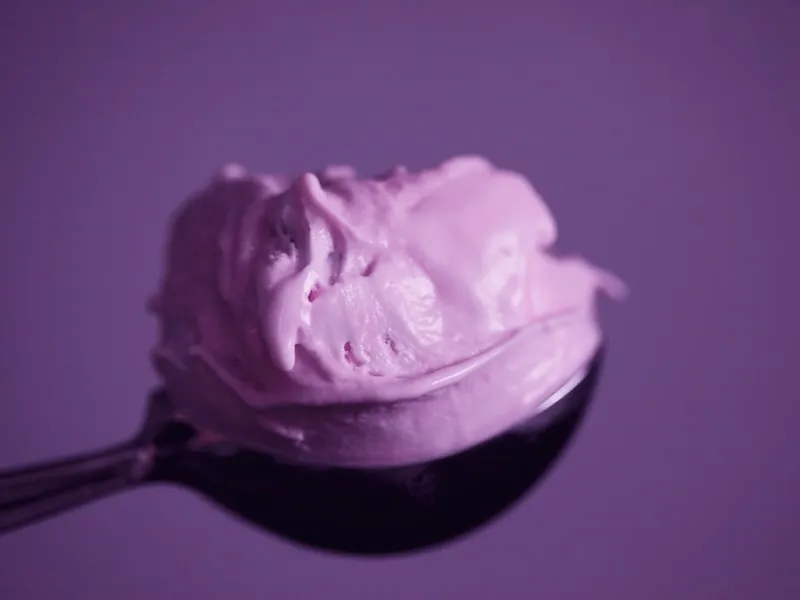
One of the most persistent problems in the global ube market is the conflation of ube with taro. They are entirely different plants. Ube is Dioscorea alata, a true yam native to tropical Asia. Taro (Colocasia esculenta) is a corm from a separate plant family. They have different flavors, different textures, different colors, and different cultural histories.
Many "ube" products sold internationally are actually taro with added purple food coloring. The irony is sharp: genuine ube is hard to source in the United States. Most "ube" products use taro plus dye. So American consumers are paying a premium for a product that is not real ube, while actual ube farmers in the Philippines cannot move inventory because the supply chain is broken.
The historical weight
The cultural appropriation discussion around ube carries more weight than similar debates about other trending ingredients because of ube's specific history in the Philippines.
In Bohol, ube held sacred status before it became a commercial crop. It is part of the province's hymn. During the Spanish, American, and Japanese occupations, Boholano communities survived wartime famine through ube cultivation. There is a Boholano tradition of kissing an accidentally dropped ube tuber and apologizing, honoring it as a gift from Bathala, the supreme deity in ancient Filipino theology.
Historian Jose Marianito Luspo noted that ube was once considered "more useful than rice" by Boholanos. This is not a trendy ingredient. It is a survival crop with centuries of cultural significance.
The matcha comparison
The Filipino community frequently invokes the matcha parallel, and it is instructive.
Japan actively protects its matcha industry through geographical indication, origin labeling, subsidized farmer cooperatives, government-backed export financing, and a unified national quality brand. Japanese green tea exports (including matcha) reached approximately US$252 million in 2024 per Japan Customs, and "matcha" is universally understood as Japanese.
The Philippines has none of that infrastructure for ube. There is no enforced "Philippine Ube" origin label. The Kinampay variety from Bohol has a GI application in process through IPOPHL, but GI alone is not enough without enforcement mechanisms and a national promotion strategy.
The gatekeeping debate
Within the Filipino community, there is a genuine debate about whether ube should be "gatekept" or promoted globally. Some argue that restricting access protects against exploitation. Others argue that global promotion benefits Filipino farmers, as long as the farmers are the ones who profit.
One ube farmer framed it this way: ube is only exploited if farmers are. But if farmers make good money from it and sustain their families, promoting ube globally is actually promoting a Filipino flavor and heritage.
This framing shifts the question from "should the world eat ube?" (yes) to "who captures the value when the world eats ube?" That second question is the one that matters.
What authentic representation looks like
There are businesses doing this well. Smaller Filipino-owned operations that present ube with its cultural story, that source from Philippine farms, and that use the correct terminology and preparation methods. These businesses treat ube as a heritage ingredient, not a color trend.
The difference shows up in the product: halaya made with the traditional coconut milk base versus "ube cream" that is purple-tinted frosting. The difference shows up in the sourcing: traceable supply chains back to Bohol or Leyte versus anonymous commodity trading through intermediaries.
For Philippine Ube, the position is straightforward. This is a Filipino crop. Filipino farmers should grow it. Filipino communities should tell its story. And the global market should know exactly where their ube comes from and who benefits from their purchase.
Data sources: IPOPHL, Slow Food Foundation, Meryenda Substack, Kapwa Gardens, One Down Media, Reddit r/Philippines, r/filipinofood, r/asianamerican.
Frequently Asked Questions
Is ube Filipino?
Ube (Dioscorea alata) is native to tropical Asia and has been cultivated in the Philippines for centuries. The Philippines is the world's top producer, and ube holds deep cultural significance in Filipino cuisine and heritage, particularly in Bohol where it has sacred historical status.
What is the difference between ube and taro?
Ube is Dioscorea alata, a true yam with naturally purple flesh, sweet earthy flavor, and nutty vanilla notes. Taro is Colocasia esculenta, a different plant entirely. Many international 'ube' products are actually made from taro with added purple food coloring, which is a form of mislabeling.
Is the ube trend cultural appropriation?
The debate centers not on whether non-Filipinos should eat ube, but on whether the global ube trend properly credits Filipino heritage, sources from Filipino farms, and directs economic value to Filipino farmers. When products are mislabeled (taro sold as ube) or sold without any Philippine attribution, many in the Filipino community view this as cultural erasure.
Why does the Philippines need GI protection for ube?
Geographical Indication (GI) protection would legally tie ube varieties like Kinampay to their Philippine origin, similar to how Champagne is protected as a French product. Without GI enforcement, any country can grow and sell 'ube' without Philippine attribution, eroding the origin brand that Filipino farmers need to command premium pricing.