Ube Is Not a Trend. It's a Heritage
How the Western food industry commodified a centuries-old Filipino staple
By Philippine Ube
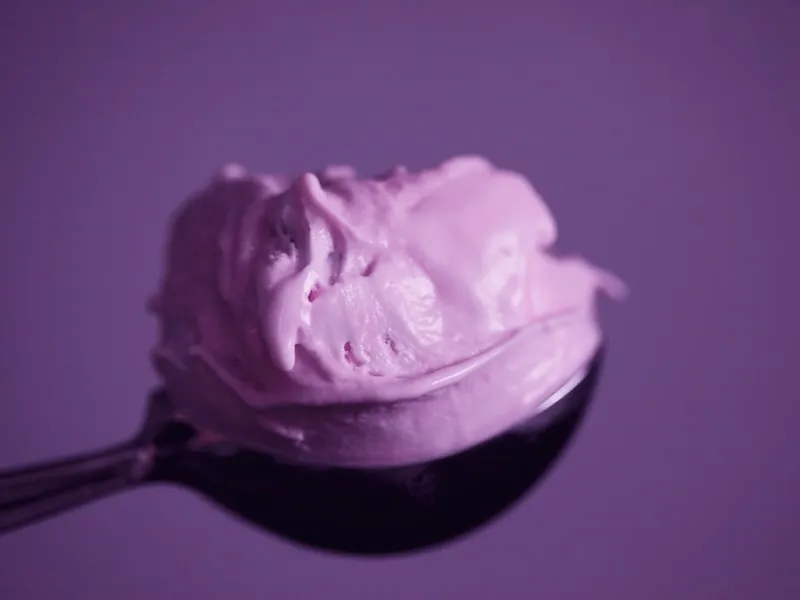
When ube started appearing in American doughnut shops and ice cream parlors around 2017, it was hailed as a "discovery." Food magazines ran breathless features about this "new" purple ingredient. Instagram influencers swooned over its photogenic hue. But for Filipinos, ube has never been new.
It has been a cornerstone of our culinary identity for generations, baked into our kakanin, swirled into our ice cream, and lovingly prepared by our lolas long before any trend piece was written.
The Erasure Problem
The problem isn't that the world discovered ube. The problem is how it was discovered: stripped of its Filipino context, repackaged as an exotic novelty, and credited to everyone except the people who cultivated it for centuries.
This pattern has a name: culinary colonialism. It's what happens when dominant cultures extract ingredients, flavors, and techniques from marginalized communities while erasing their origins. It happened with turmeric, with sriracha, with countless other foods. And it's happening with ube.
Reclaiming the Narrative
This blog exists to set the record straight. Every article here traces ube back to its roots: to the farmers in the Visayas who grow it, to the families who have passed down recipes through generations, and to the cultural traditions that give it meaning beyond its color.
Ube is not purple sweet potato. Ube is not a color. Ube is Dioscorea alata, and it belongs to the Philippines.
We're not gatekeeping. We're contextualizing. There's a difference between appreciation and appropriation, and that difference lies in acknowledgment, respect, and understanding.