Why We Grade Our Ube (And Why It's Not Ma-Arte)
Grading systems protect farmers, build industries, and bring value home
By Philippine Ube
We get it. Some people hear that we grade our ube, Heritage Reserve and Ani, and they think we are being ma-arte. Pretentious. Over-the-top about a root crop.
We understand the reaction. In the Philippines, ube is familiar. It is the flavor of childhood, the purple in your halo-halo, the filling in your pandesal. Why would you need to grade something so common?
But that is exactly the problem. Because ube is treated as common, it is priced as common. And when a product is priced as common, the people who grow it stay poor, even as the rest of the world gets rich off their harvest.
The Commodity Trap
Here is what happens when an agricultural product has no grading system: everything gets lumped together. The best ube in the world, grown for 10 months in volcanic soil by a farmer whose family has been cultivating the kinampay cultivar for generations, gets sold at the same price as ube grown in depleted soil and harvested too early.
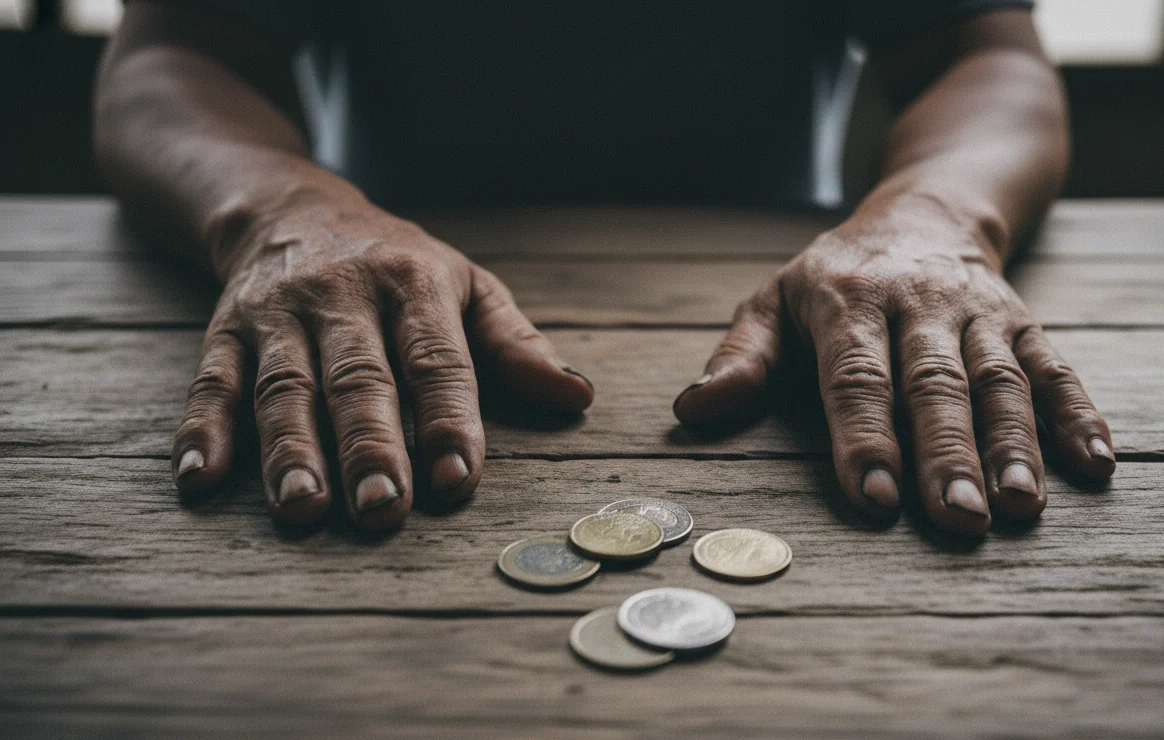
This is the commodity trap. It punishes quality. It rewards volume. And it ensures that the people at the bottom of the supply chain, the farmers, absorb all the risk while capturing almost none of the value.
The global ube trend is now a multi-billion peso industry. Ube ice cream, ube doughnuts, ube lattes. They all sell for premium prices in New York, Tokyo, Dubai, and Sydney. But the Filipino farmer who grew the ube? He sold his harvest for the same price his father got twenty years ago.
What Grading Does
Every premium agricultural product in the world uses grading. Not because the farmers are ma-arte. Because grading is how you build an industry.
- Matcha is graded ceremonial and culinary. A tin of ceremonial-grade matcha from Uji costs ten times more than culinary-grade powder, and the farmers in Uji benefit directly from that premium.
- Coffee is graded by SCA score. A 90-point specialty coffee from Ethiopia commands prices that transform farming communities. Commodity-grade coffee does not.
- Olive oil is classified as extra virgin, virgin, or refined. Italian and Spanish producers built entire regional economies on those classifications.
- Wine has appellations: Bordeaux, Champagne, Barolo. These are not vanity labels. They are economic engines that keep value in the regions where the grapes are grown.
In every case, the pattern is the same: grading creates differentiation, differentiation creates pricing power, and pricing power flows back to the people who grow the product.
Ube has no grading system. Not yet. That is what we are building.
Heritage Reserve and Ani
Our grading system is built on two tiers, each rooted in Filipino language and agricultural reality, not borrowed from Western frameworks.
Heritage Reserve is our premium tier. It is made from ubing kinampay and other prized heirloom cultivars, varieties valued for its extraordinary depth of color, dense flesh, and complex flavor. These tubers are single-farm traceable, harvested only during peak season (October to February), and graded to the highest standard. This is the ube equivalent of ceremonial matcha or single-origin specialty coffee.
Ani is our professional tier. The word ani means "harvest" in Tagalog, because this is the yield of every growing season. Farm-traceable, year-round availability, consistent quality. Built for restaurant kitchens, commercial bakeries, and food manufacturers who need reliability at volume.
The distinction is real, not cosmetic. The kinampay cultivar produces a genuinely different product, denser, more aromatic, more deeply pigmented, than other varieties. Grading makes that difference visible and valued.
Meeting International Demand
There is a practical reason for grading beyond advocacy: international buyers expect it.
When a Japanese ice cream company sources matcha, they specify the grade. When a European bakery sources chocolate, they specify the origin and cacao percentage. When an American restaurant sources olive oil, they know the difference between extra virgin and pomace.
These buyers want to source ube. We know because they contact us. But they are accustomed to structured quality systems. They want to know what they are getting, how it differs from alternatives, and why it costs what it costs. A grading system gives them that framework.
Without grading, every ube supplier looks the same. With grading, buyers can make informed decisions, and they are willing to pay a premium for the quality tier that matches their needs.
Bringing Value Back to Our Economy
This is the part that matters most. Grading is not an end in itself. It is a mechanism for economic return.
When we sell Heritage Reserve at a premium price, that premium does not disappear into a corporate supply chain. It goes back to our farming communities. It pays farmers more than commodity rates. It funds better post-harvest facilities. It keeps young people in farming instead of driving them to Manila to find work.
When we sell Ani at professional-grade pricing, we are still paying above commodity rates, because even our second tier is fully traceable, quality-controlled, and grown by farmers who are treated as partners, not interchangeable suppliers.
"Hindi kami ma-arte. Nag-le-level up kami, para sa mga magsasaka, para sa Pilipinas."
(We are not being fussy. We are leveling up, for our farmers, for the Philippines.)
The Bigger Picture
Japan built a tea industry worth billions by grading matcha. Colombia transformed its coffee sector by investing in quality classification. Italy turned olive oil into a cultural export by protecting regional standards.
The Philippines can do the same with ube. But only if we stop treating it as a commodity and start treating it as the premium, heritage crop that it is.
That starts with grading. It starts with naming our tiers in our own language. It starts with Filipino brands, not foreign importers, setting the standard for what ube should be.
So yes, we grade our ube. And we will keep grading it until the word "kinampay" means something to every chef, buyer, and food lover on the planet. The same way "ceremonial" means something for matcha, "single-origin" means something for coffee, and "extra virgin" means something for olive oil.
That is not ma-arte. That is nation-building.