I'm Tired of Foreign Companies Getting Rich Selling Our Ube
A Filipino founder's take on the ube wholesale industry
By Philippine Ube
I need to say something that's been building up for a while.
I am sick and tired of watching foreign companies get rich selling our ube while Filipino farmers struggle to make a living.
If you search "ube supplier" or "wholesale ube" on Google right now, you know what comes up? European wholesalers. Indonesian companies. American brands. Marketplaces based in China. Everyone is selling Philippine ube, except the Philippines.
The middleman problem
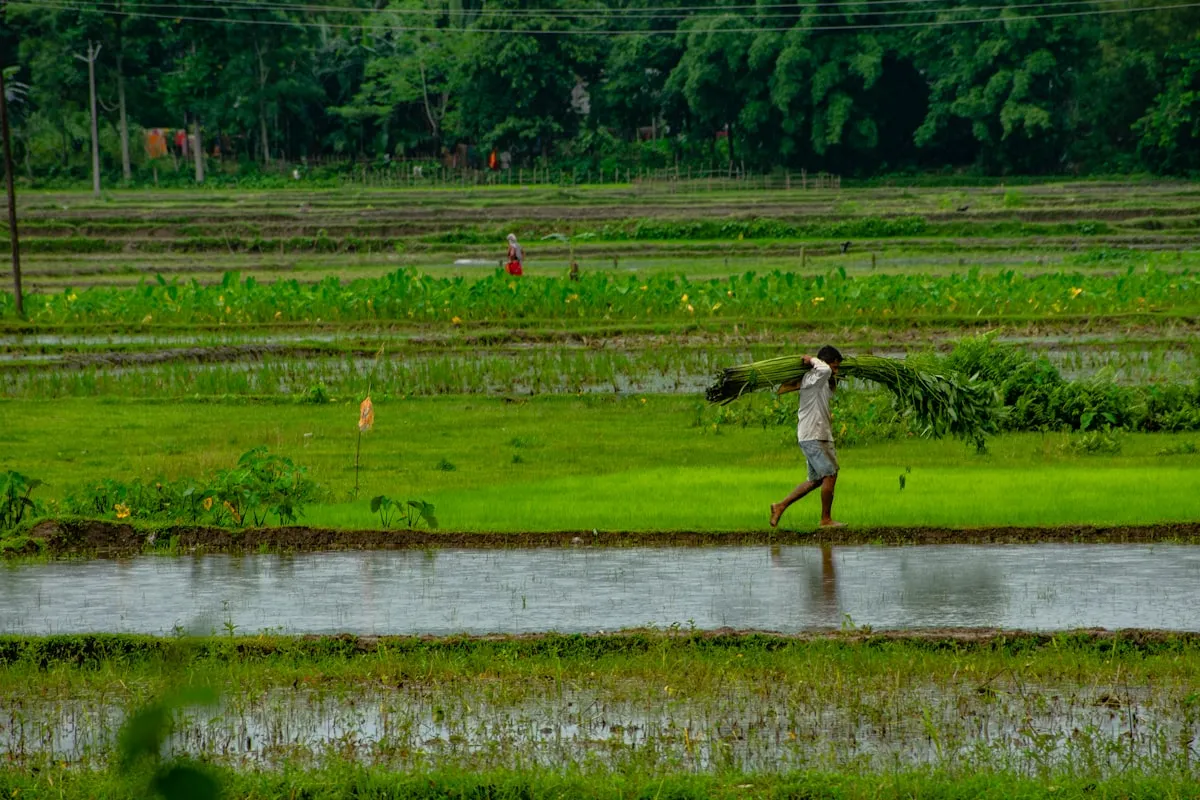
Here's how the ube supply chain works for most of the world: A Filipino farmer grows ube on their land. They sell it to a local trader for pennies. That trader sells to a processor. The processor sells to an exporter. The exporter sells to a foreign wholesaler, usually European or Indonesian. That wholesaler packages it nicely, builds a slick website, writes some content about "premium Philippine ube," and sells it to cafes and bakeries at a massive markup.
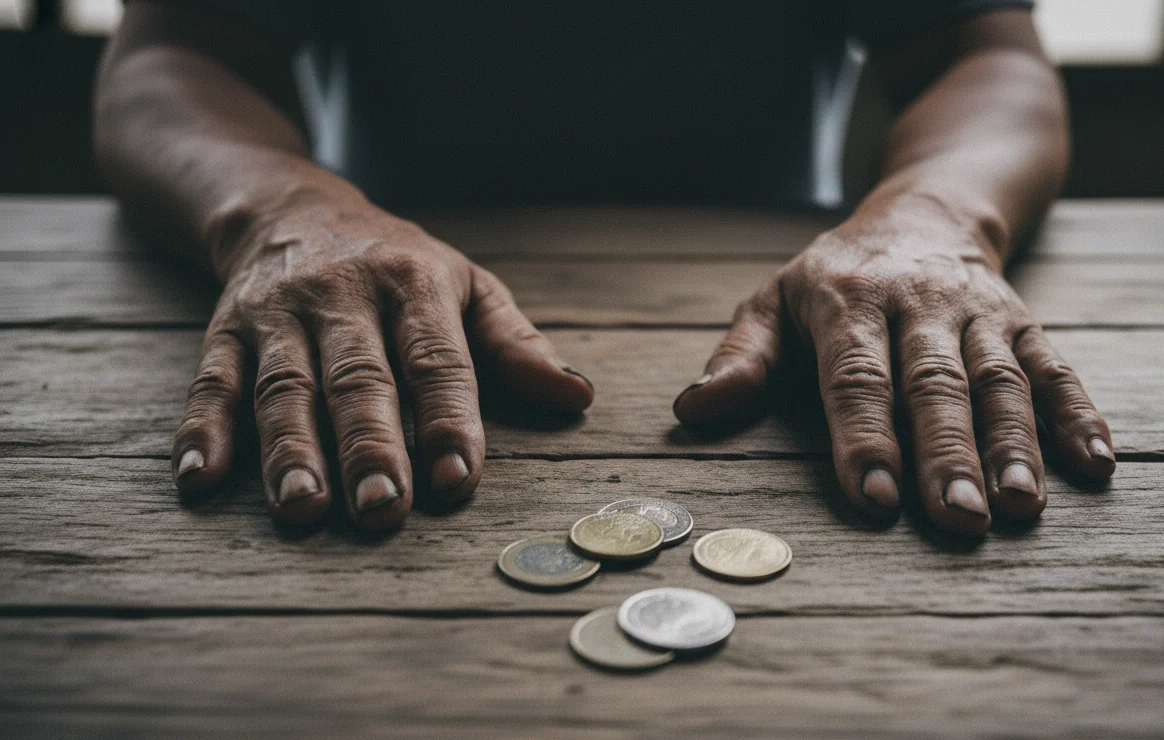
By the time the ube reaches a cafe in Amsterdam or a bakery in Melbourne, four or five middlemen have taken their cut. The Filipino farmer who spent eight months growing that ube? They got the smallest share of the value.
And the company that the end buyer thinks of as their "ube supplier"? It's a foreign company that has never set foot on a Philippine farm.
The cultural problem
This isn't just a business issue. It's a cultural one.
Ube is Filipino. It is woven into our celebrations, our food, our identity. Ube halaya at Christmas. Ube pandesal at family gatherings. Ube ice cream on a hot afternoon. For generations, ube has been a part of what it means to be Filipino.
And now the world has discovered it, which is great. Starbucks has ube drinks. Food magazines reach for the matcha comparison, though ube does not need to be the next anything. It is already its own ingredient with its own history. The global ube market is projected to reach nearly a billion dollars by 2035.
But who is capturing that value? Not Filipino farmers. Not Filipino companies. The value is being captured by foreign businesses who saw a market opportunity and moved faster than the Philippines could organize itself.
When a European company positions itself as the "#1 ube wholesaler in Europe" and their entire supply originates from the Philippines, something is fundamentally wrong. That should be a Filipino company. That margin should be staying in the Philippines. Those farmer relationships should be direct, not intermediated through three layers of foreign middlemen.
The Indonesian elephant in the room
It gets worse. Vietnam and Indonesia are now growing ube, and in some cases, the Philippines is actually importing ube from Vietnam to meet domestic demand. We wrote about this in our article on the Philippine import paradox.
Meanwhile, Indonesian companies are positioning themselves as ube suppliers to the global market. They're building processing capacity, creating brands, and competing directly with Philippine ube, often at lower prices because their government actually invests in agricultural infrastructure.
If the Philippines doesn't get its act together, the country that gave the world ube will become a footnote in someone else's supply chain.
Why we built Philippine Ube
This is why Philippine Ube exists.
We are not a European wholesaler who discovered ube was trending. We are not an Indonesian company growing ube as a commodity crop. We are Filipinos, building a Filipino company, working directly with Filipino farming families.
When you buy from us, there are no foreign middlemen. The relationship goes from your business to our company to the farming families who grow the ube. That's it. The value stays in the Philippines. The farmers get a fair price. You get full traceability, and you can know exactly which farm your ube came from.
We're not perfect. We're still small. We're still building. Our partner farms already farm organically in practice, and formal organic certification is on our roadmap as we scale. We're building our wholesale capacity. We're creating resources for importers who want to buy direct.
But we're doing it the right way: as a Filipino company, for Filipino farmers, with Filipino ownership of the entire supply chain.
What you can do
If you're a business that uses ube (a cafe, a bakery, a food manufacturer, a retailer), ask yourself: who is my ube supplier? Is it a Filipino company? Does the value go back to the Philippines? Do you know which farm your ube comes from?
If the answer is no, consider switching. Not necessarily to us (though we'd love to hear from you), but to any supplier that is genuinely Filipino-owned and works directly with Filipino farmers.
The ube industry is at an inflection point. Global demand is surging. The question is whether that demand will lift up Filipino farming communities or just enrich foreign intermediaries.
I know which outcome I'm working for.
Frequently Asked Questions
Why does it matter if an ube supplier is Filipino-owned?
When a Filipino-owned company manages the supply chain, more value stays in the Philippines. Filipino farmers get better prices, Filipino workers manage the processing and logistics, and profits are reinvested in Filipino communities. When a foreign middleman controls the supply chain, they extract margin at every step and the Filipino origin becomes just a marketing label.
Are there really foreign companies dominating ube wholesale?
Yes. If you search 'ube supplier' or 'wholesale ube' on Google, the top results are predominantly European wholesalers, Indonesian companies, and global marketplaces, not Filipino companies. This is despite the fact that the Philippines is the world's primary source of ube and the country where ube has deep cultural significance.
How can I verify that an ube supplier is genuinely Filipino-owned?
Ask them directly: Who owns the company? Where are they registered? Can they show you the farms they source from? A genuinely Filipino-owned supplier will be able to answer these questions transparently. Philippine Ube is 100% Filipino-owned, registered in the Philippines, and can trace every batch to a specific farming family.