Bohol: The Heart of Philippine Ube Production
By Philippine Ube
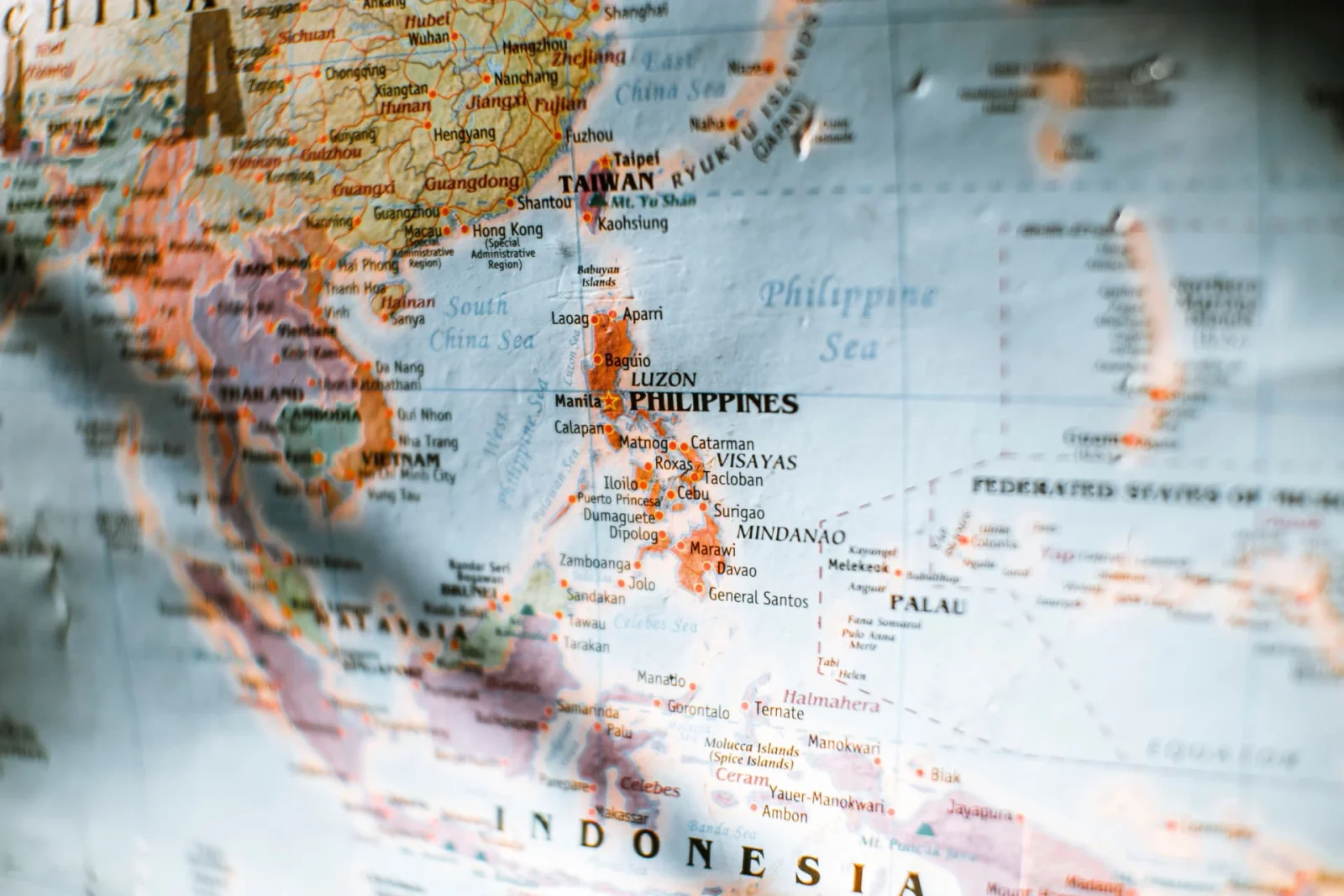
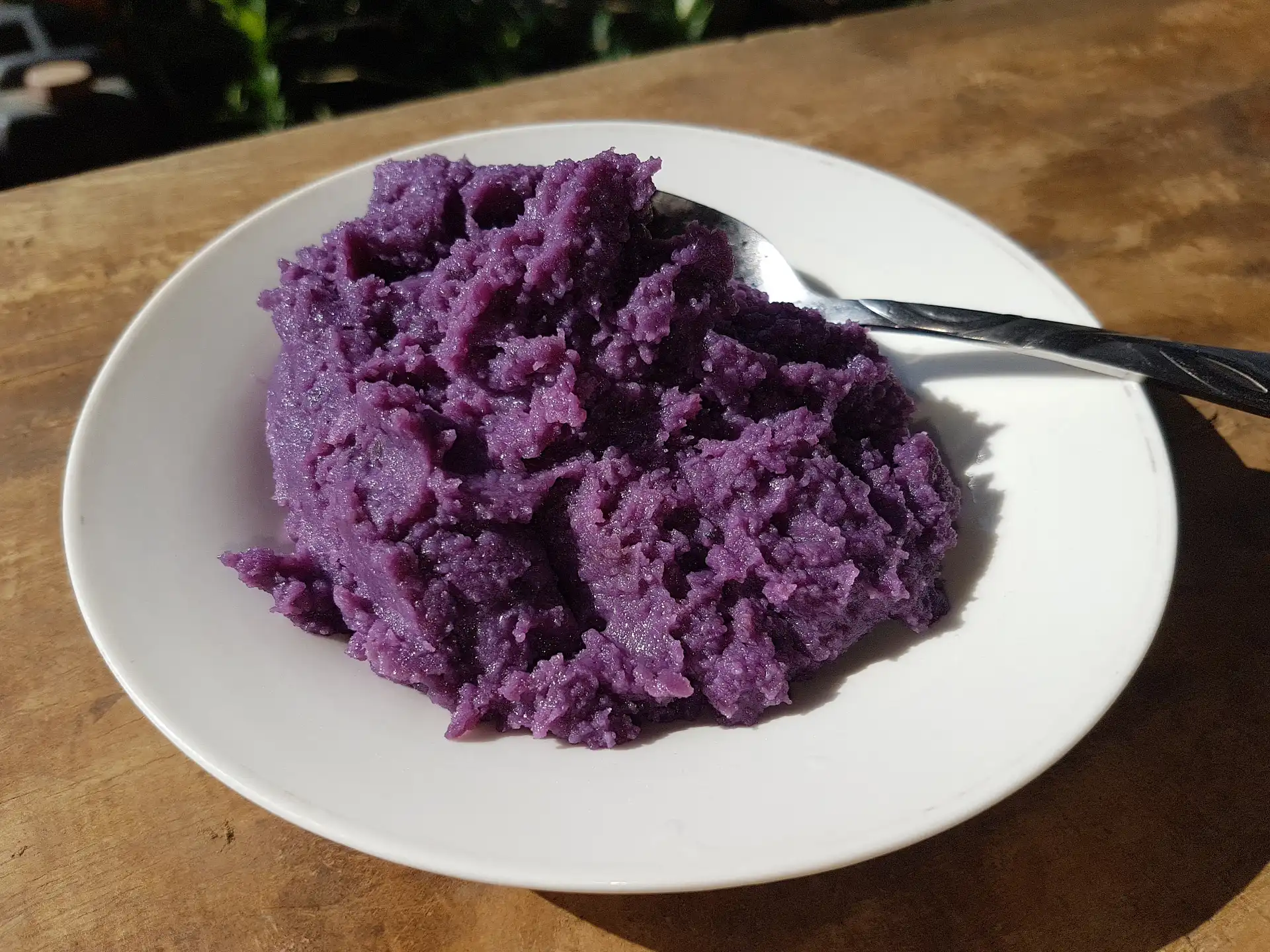
If you have eaten ube halaya in the Philippines, there is a one-in-three chance the ube came from Bohol. This island province in the Central Visayas produces approximately 32% of the country's total ube output by volume, from roughly 300 hectares of Dioscorea alata cultivation spread across the eastern municipalities of Jagna, Duero, Guindulman, Anda, and Sierra Bullones.
Yet Bohol's ube farming communities face existential challenges: typhoon vulnerability, aging farmer demographics, declining yields, and an industry that treats their product as a nameless commodity. This is a profile of the region where Philippine ube lives, and where its future hangs in the balance.
Why Bohol became the ube capital
Bohol's dominance in ube production is not accidental. Several factors created favorable conditions:
Climate: Bohol's eastern coast receives well-distributed rainfall from the northeast monsoon (amihan), providing the consistent moisture that Dioscorea alata needs during its 8–10 month growing cycle. The province's tropical maritime climate maintains temperatures of 25–32°C year-round, within the optimal range for ube cultivation.
Topography: The rolling hills of eastern Bohol provide natural drainage. Ube is highly susceptible to waterlogging and root rot; the gently sloping terrain ensures excess water drains rather than pooling around tubers.
Intercropping tradition: Bohol farmers have long practiced intercropping ube with coconut palms. The coconut canopy provides partial shade that reduces heat stress on ube vines while allowing sufficient light for growth. This traditional agroforestry system also diversifies farmer income, as coconut provides cash flow throughout the year while ube generates seasonal harvest income.
Cultural continuity: Ube cultivation knowledge in Bohol has been passed from generation to generation. Families in municipalities like Jagna have been growing ube for 50+ years, maintaining local cultivar selections adapted to Bohol's specific conditions.
The numbers: Bohol's ube output
| Metric | Value | Source |
|---|---|---|
| Total area under cultivation | ~300 hectares | PSA regional data |
| Share of national production (by volume) | ~32% | PSA OpenSTAT |
| Average yield | 6 tons/hectare | DA-Bohol field data |
| Optimal yield potential | 20–30 tons/hectare | PCARRD studies |
| Primary municipalities | Jagna, Duero, Guindulman, Anda | DA-Bohol |
| Estimated farming households | 1,500–2,500 | DA-Bohol estimates |
The yield gap is staggering. At 6 tons per hectare, Bohol's farmers are producing at 20–30% of documented potential. If yields could be raised to even 15 tons/hectare (still well below maximum), Bohol's output would more than double, dramatically improving both farmer income and national supply.
The causes of this yield gap mirror the national production decline: inadequate planting material, limited access to modern cultivation knowledge, climate disruption, and the planting material crisis that leaves farmers reusing degraded vine cuttings year after year.
The demographic challenge behind Bohol's ube
Across Bohol, ube farming faces a generational crisis. Younger family members often leave for Cebu or Manila, drawn by urban wages that dwarf what root-crop farming can offer at current farmgate prices. The loss of experienced cultivators is especially damaging in ube farming because much of the knowledge is tacit: which vine sections produce the best planting material, when to read soil moisture by touch, how to identify pest damage before it spreads.
Typhoon vulnerability: the recurring threat
Bohol lies directly in the path of Philippine typhoons. The devastating impact of Typhoon Yolanda (Haiyan) in November 2013 destroyed approximately 60% of agricultural crops in affected Visayan provinces. Ube fields, with their above-ground vine trellises, are particularly vulnerable to wind damage.
More recently, Typhoon Odette (Rai) in December 2021 caused significant agricultural damage across Bohol (NDRRMC), with ube farmers anecdotally reporting partial to total crop losses in eastern municipalities — formal crop-specific damage assessments for ube were not published, which is itself a symptom of ube's status as a minor crop in government record-keeping. Recovery from a typhoon takes 1–2 full growing cycles (16–20 months) because destroyed planting material must be regrown before new crops can be established.
For a broader analysis of climate impacts, see our article on climate change and ube production.
The Chocolate Hills opportunity
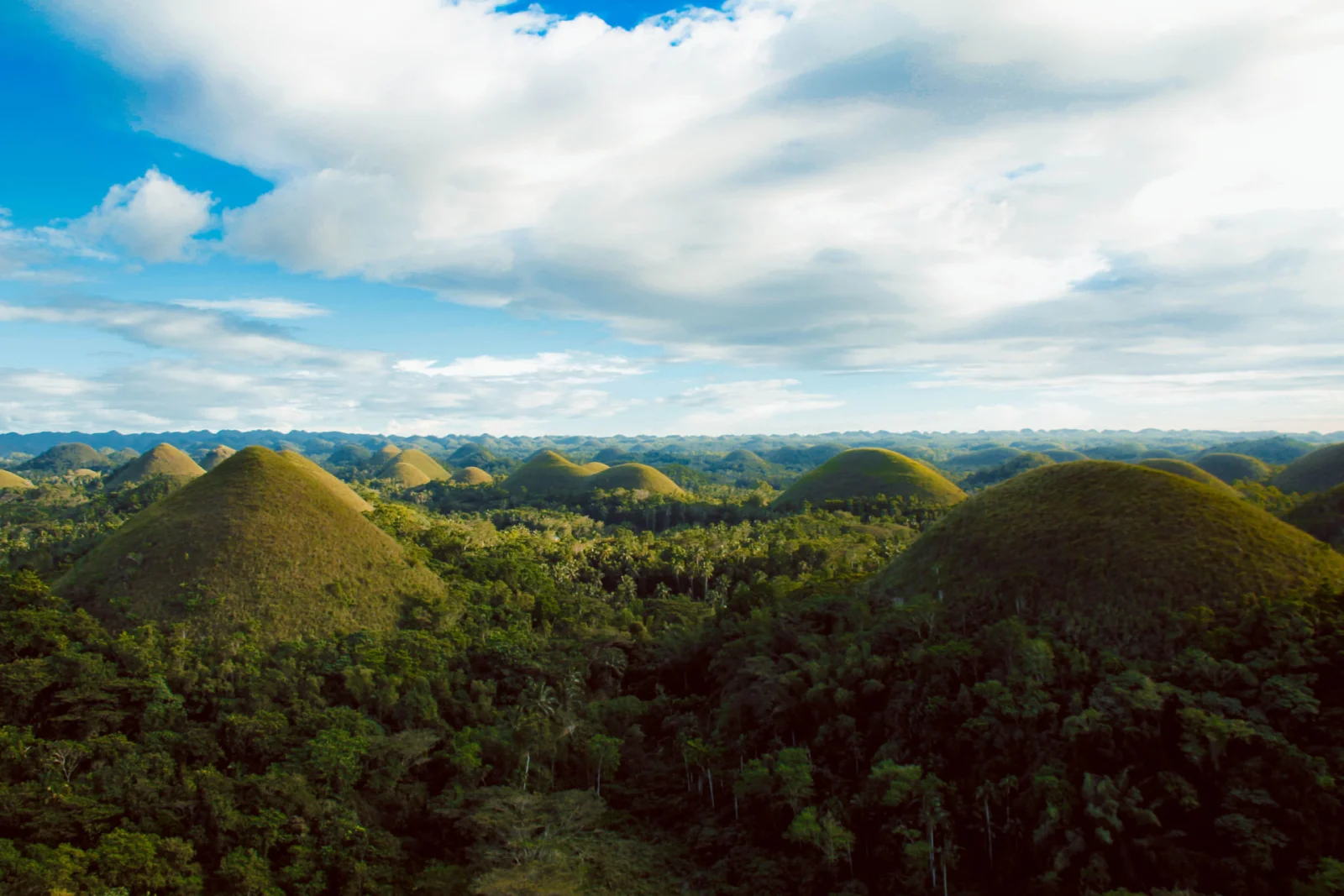
Bohol is also home to the Chocolate Hills, one of the Philippines' most iconic natural landmarks, drawing hundreds of thousands of tourists annually. This tourism infrastructure creates a potential economic synergy: ube as a Bohol identity product, the way Champagne is synonymous with its region or Kona coffee with Hawaii's Big Island.
A geographic indication or regional branding effort for "Bohol Ube" could differentiate the province's product in domestic and international markets, command a premium, and direct tourism-driven food spending toward local ube farmers. This is an untapped opportunity that requires coordination between the provincial government, DA-Bohol, and farmer cooperatives.
Sources
- PSA (Philippine Statistics Authority): Regional production data for root crops, Central Visayas
- DA-Bohol (Department of Agriculture, Bohol Provincial Office): Agricultural statistics and farmer registration data
- PCARRD: Yield potential studies for Dioscorea alata in Visayan conditions
- NDRRMC (National Disaster Risk Reduction and Management Council): Typhoon damage assessments, 2013 and 2021
Frequently Asked Questions
How much of the Philippines' ube comes from Bohol?
Bohol produces approximately 32% of the Philippines' total ube output by volume, making it the single largest producing province. Cultivation is concentrated in the eastern municipalities of Jagna, Duero, Guindulman, and Anda, covering roughly 300 hectares.
Why are Bohol ube yields so low?
Average yields in Bohol are approximately 6 tons per hectare, just 20–30% of the 20–30 ton potential. Causes include degraded planting material (reused vine cuttings), limited access to modern cultivation techniques, typhoon damage, and aging farmer demographics.
How do typhoons affect ube farming in Bohol?
Typhoons destroy ube vine trellises and can cause total crop loss. Recovery takes 16–20 months because destroyed planting material must be regrown. Typhoon Yolanda (2013) and Typhoon Odette (2021) both caused significant damage to Bohol's ube farms.