What Does Ube Taste Like? An Honest Flavor Guide From a Philippine Exporter
By Philippine Ube
Ube tastes mildly sweet and creamy, with layered notes of vanilla, toasted nut, and white chocolate, finished by a faint earthiness. It is gentle and aromatic rather than sharp or sugary. Most of its sweetness reads as aroma, not actual sugar. But there is a more honest answer that almost no flavor guide gives you: ube does not taste like one fixed thing. The flavor shifts with the variety, where it was grown, and how it was processed. We source ube across multiple farming regions in the Philippines, and the difference between batches is real enough that we taste-check it.
The short answer
If you have only ever had ube as a bright purple latte or ice cream, here is what to expect from the yam itself:
- Vanilla — the dominant note, warm and natural rather than the synthetic vanilla of cheap extracts.
- Toasted nut — a light hazelnut-praline or pistachio character that adds depth.
- White chocolate — a creamy, buttery roundness on the finish.
- Subtle earthiness — a gentle root-vegetable base that keeps it from being cloying.
What ube is not: it is not floral-perfumed like taro, not as overtly sweet as orange sweet potato, and not bitter or acidic. People are often surprised that it tastes far less "vegetable" than its appearance suggests.
Why the flavor varies (the part most guides skip)
Most articles describe ube as if every yam tastes identical. In practice, three things move the flavor noticeably.
1. Variety
Ube is the purple yam Dioscorea alata, but it has many cultivars. The prized Kinampay variety from Bohol is known for a more intense aroma and deeper sweetness, which is why it has long been considered the benchmark for premium ube. More common alata cultivars are milder and more neutral. A dessert made with one will not taste like a dessert made with the other. We go deeper into this in our guide to Philippine ube varieties.
2. Where and how it was grown
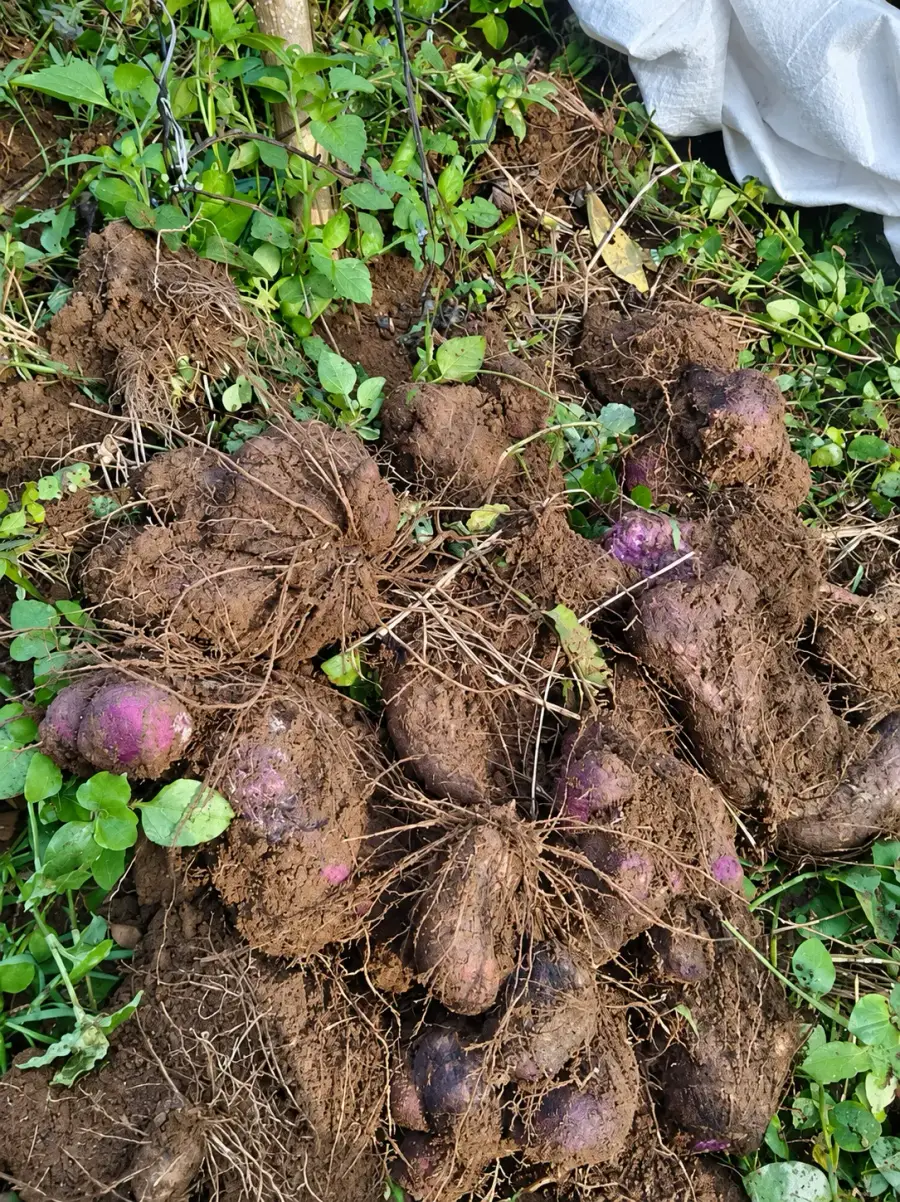
Soil, climate, and maturity at harvest all affect aroma intensity and sweetness, the same way they do for coffee or cacao. A yam harvested young and grown in poor soil can taste closer to plain potato, which is exactly the disappointing result some home cooks report. Selection matters more than people expect.
3. How it was processed
Fresh, frozen, powdered, and jarred ube all taste slightly different. Gentle processing preserves the natural vanilla-and-nut aroma; aggressive heat or heavy added sugar can flatten it into something generic and one-dimensional. The best ube products taste like the yam; the worst taste mostly like sweetener and food coloring.
What ube tastes like in different forms
- Fresh / boiled: mild, creamy, lightly sweet with the clearest earthy note. Closest to the "true" flavor.
- Ube halaya (jam): richer and sweeter from milk and sugar — caramel and dulce de leche notes join the vanilla.
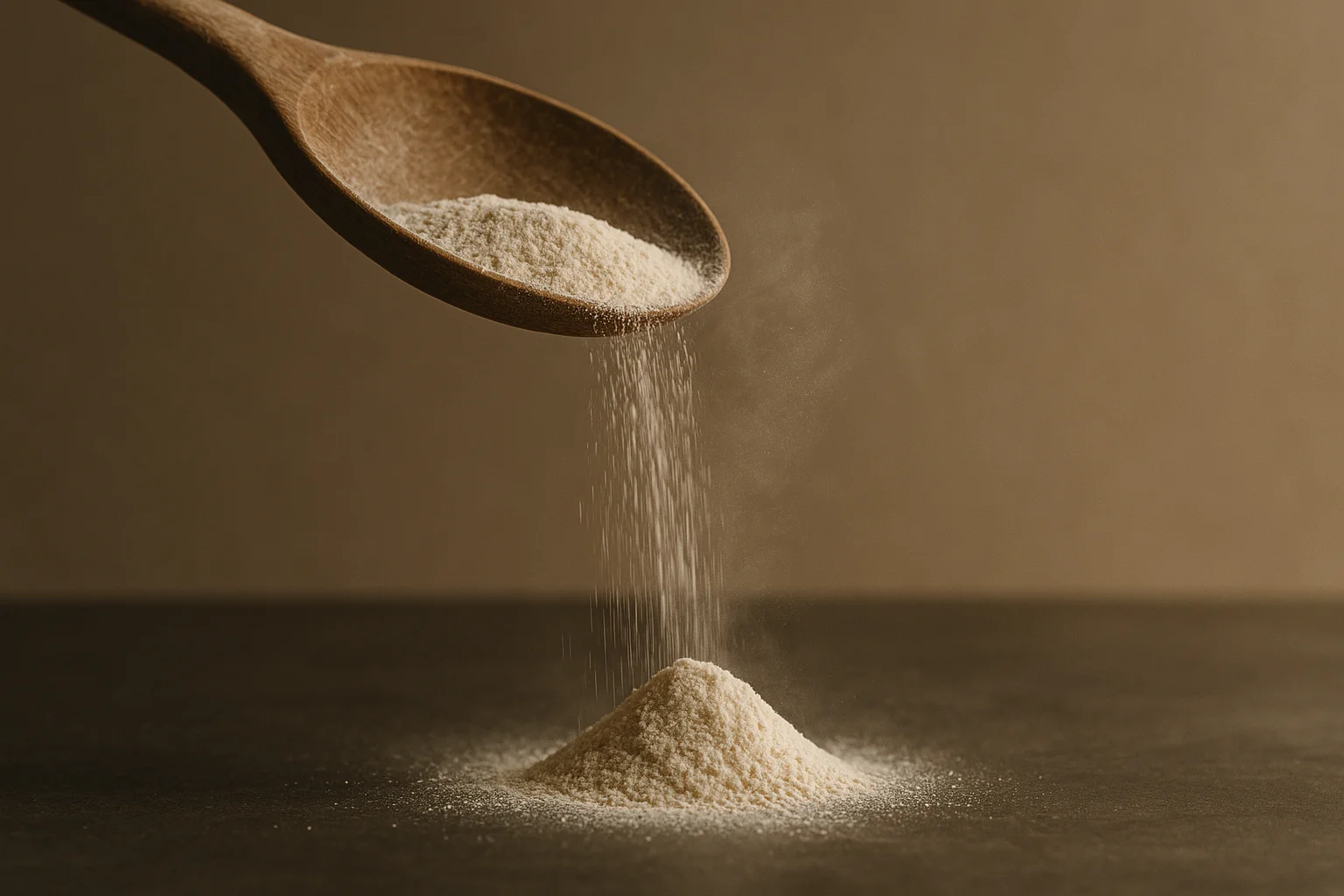
- Powder: concentrated aroma; quality varies enormously by source and whether a carrier or filler was added.
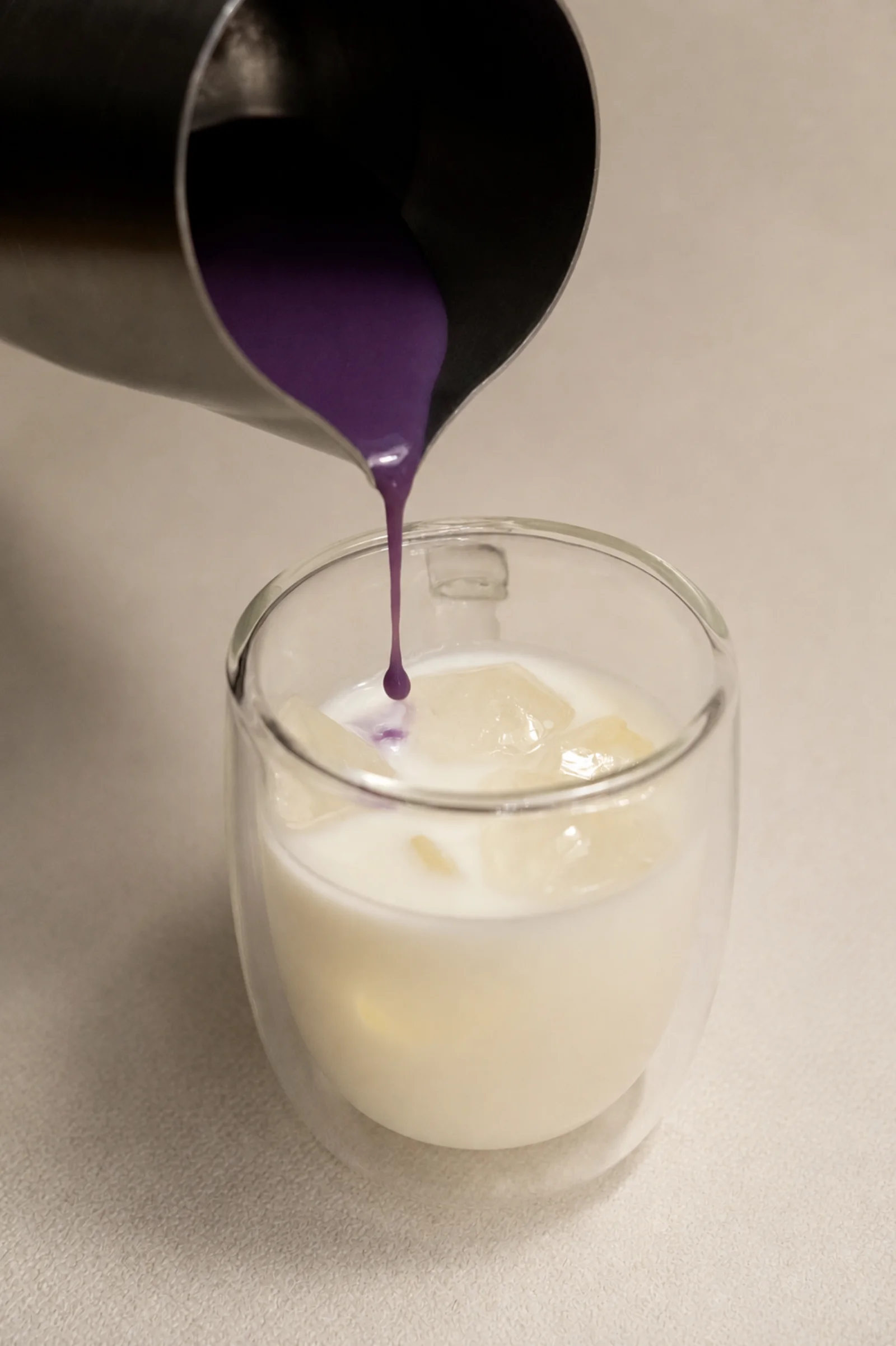
- Ice cream / latte: the dessert format most Westerners meet first — smooth, vanilla-forward, dessert-like.
Is ube the same as taro or purple sweet potato?
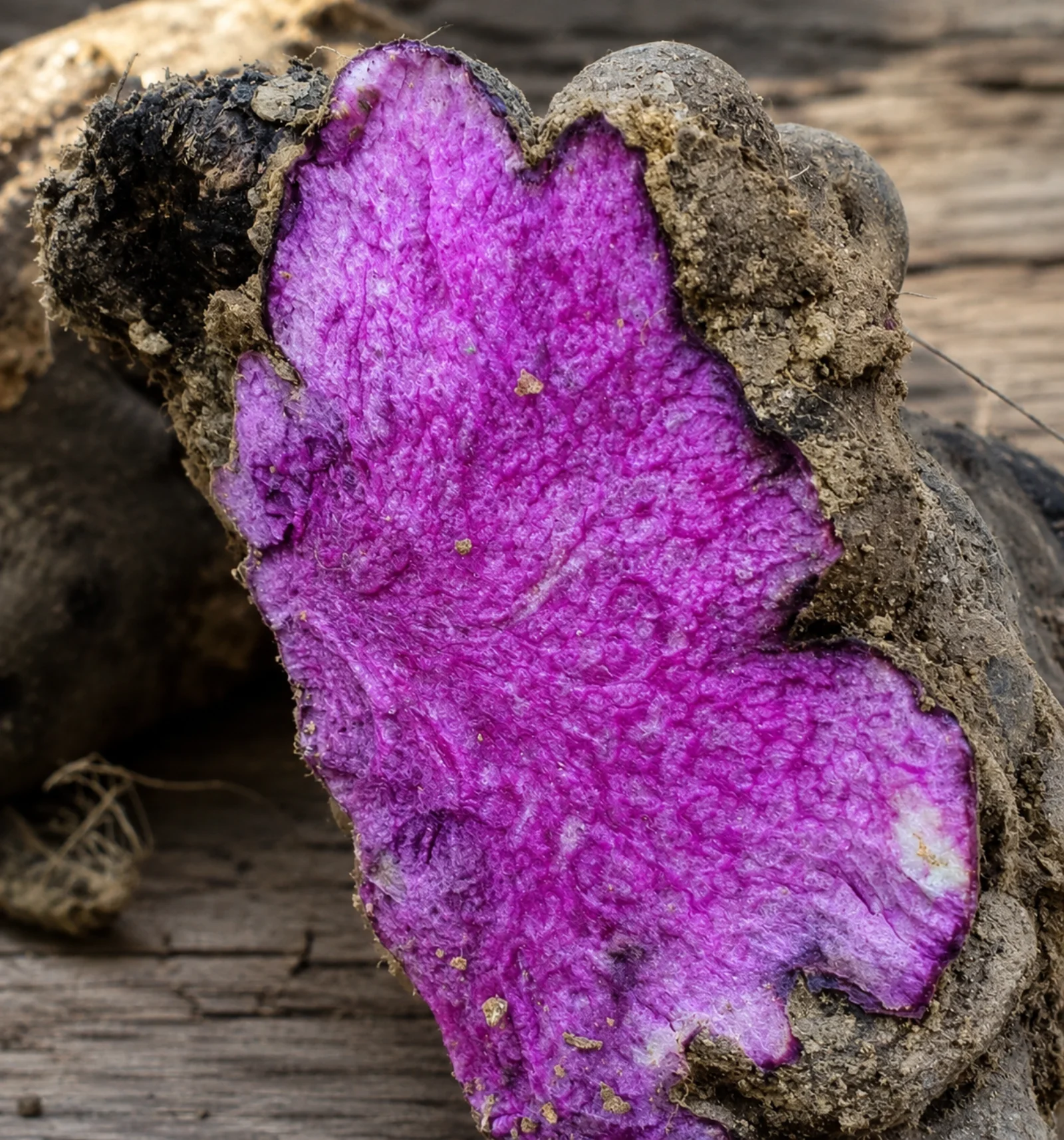
No, and this is the most common mix-up. Taro (Colocasia esculenta) is starchier and more nutty-floral, with off-white flesh that is only faintly purple. Purple sweet potato (Ipomoea batatas, including Okinawan and Stokes varieties) is sweeter and from an entirely different plant family. Ube is a true yam whose natural color ranges from light purple to deep violet depending on the variety and how it is prepared (dried ube powder can look pale and develops its purple as it rehydrates). Many products labeled "ube" abroad are actually purple sweet potato, or taro tinted with purple coloring, standing in for the real thing, which is one more reason the flavor people describe is so inconsistent. We unpacked the full comparison in Ube vs. Taro vs. Purple Sweet Potato.
How to try ube for the first time
If you want to taste ube honestly rather than as a sugar-and-dye delivery vehicle, start with a minimally sweetened format — a good ube ice cream, an unsweetened or lightly sweetened ube latte, or fresh ube you cook yourself. Pair it with familiar flavors like vanilla, coconut, or chocolate; ube plays beautifully against all three, which is part of why it travels so well into Western desserts.
If you are a bakery, café, or manufacturer trying to formulate with real ube rather than substitutes, our ube flavor method page explains how to draw the most aroma out of the yam, and you can source real Philippine ube powder from us directly.
This guide is written by the team at Philippine Ube, a Philippine-based exporter working across multiple ube-growing regions. Our aim is to build "Philippine ube" into a recognized origin category — the way specialty coffee and matcha became categories — which starts with people understanding what real ube actually tastes like. Learn more about us or explore Philippine ube varieties.
Frequently Asked Questions
Does ube taste like vanilla?
Vanilla is the most prominent note in ube, but it is not the whole story. Toasted nut, white chocolate, and a light earthiness sit alongside it. Ube reads as warmer and more layered than vanilla alone.
Is ube sweet?
Mildly. Much of ube's perceived sweetness comes from its aroma rather than high sugar content, which is why many people enjoy it with little or no added sweetener.
Why did my ube taste like plain potato?
Almost always a sourcing issue: an immature yam, a neutral low-aroma variety, or poor growing conditions. Good ube has a distinct vanilla-nut aroma; bland ube usually means the raw material, not the recipe, let you down.
Does ube taste like taro?
No. Taro is starchier with a floral-nutty profile and pale flesh, while ube is creamier and more vanilla-forward, with flesh that ranges from light purple to deep violet. They are different plants entirely.
What does ube ice cream taste like?
Ube ice cream tastes like a creamy vanilla ice cream with extra dimension — toasted nut, a hint of white chocolate, and a gentle earthiness on the finish. Quality varies: ice cream made with real ube tastes layered and aromatic, while versions made with purple sweet potato or artificial flavor taste flatter and more one-dimensional.