From Soil to Shelf: Building a Transparent Ube Supply Chain
By Philippine Ube
Ask any ube halaya manufacturer in the Philippines where their ube came from, and most cannot tell you. Ask which farm, which province, which cultivar, and the answer is almost certainly a blank stare. The ube supply chain is, for most participants, a black box.
This opacity is not just an inconvenience. It is the mechanism by which farmers stay poor, quality stays inconsistent, and consumers cannot distinguish real ube from artificial substitutes. Transparency is not a nice-to-have; it is the foundation on which a sustainable ube industry must be built.
The current reality: opacity as default
The typical Philippine ube supply chain operates like this:
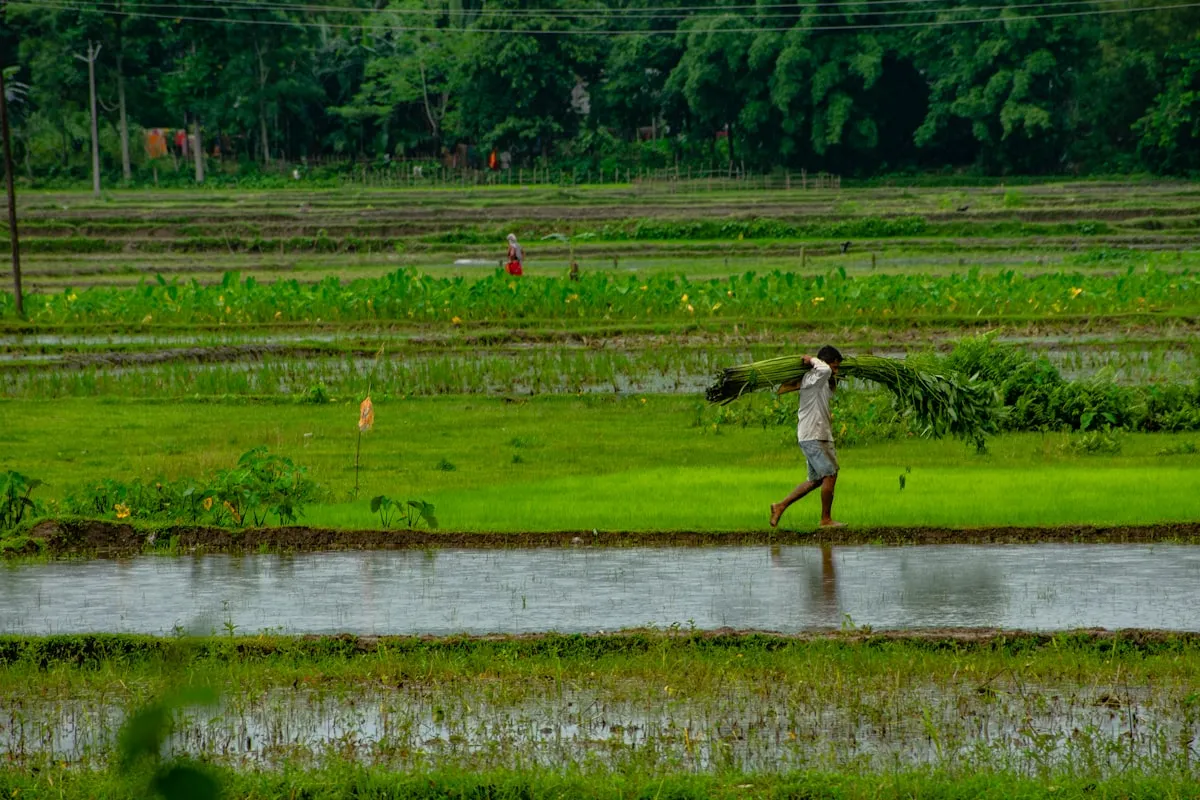
- Farmer harvests ube and sells to a local trader at the farmgate (₱40–60/kg)
- Local trader consolidates from multiple farmers, sells to a provincial wholesaler
- Provincial wholesaler aggregates from multiple traders, sells to processors in Manila or Cebu
- Processor converts to halaya, powder, or frozen product, with no information about origin
- Distributor/exporter sells to domestic retailers or international buyers
- Consumer buys a product labeled "ube" with no way to verify what it actually contains or where it came from
At each intermediary step, information is lost. By the time ube reaches the processor, it is a commodity: origin unknown, cultivar unspecified, growing practices unverified. This creates several problems:
- Quality inconsistency: Without knowing the cultivar or growing conditions, processors cannot guarantee consistent color, flavor, or nutritional content
- Fraud vulnerability: When no one can verify origin, it becomes easy to substitute cheaper purple sweet potato for real ube, or to mix cultivars to cut costs
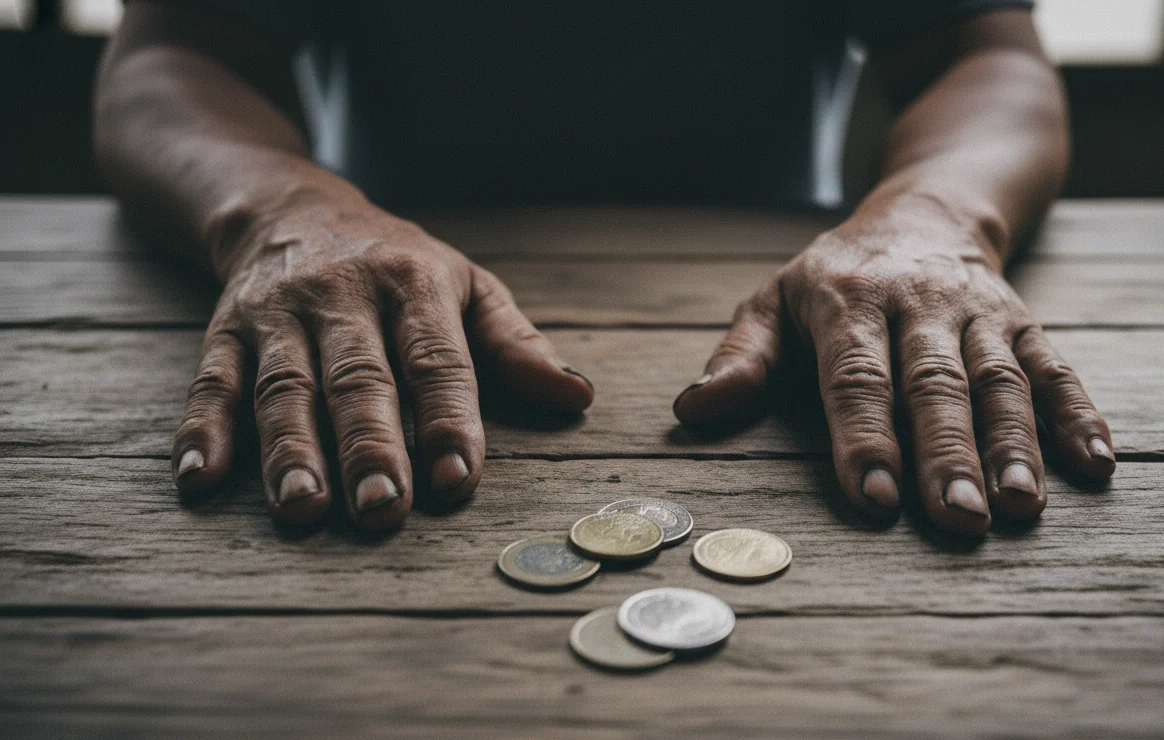
- Farmer invisibility: As documented in our analysis of farming economics, farmers capture just 5–8% of retail value, partly because they are invisible in the supply chain
- No quality incentive: When all ube is treated as generic commodity, farmers have no incentive to invest in better cultivars, better practices, or post-harvest handling
Lessons from coffee and chocolate
The specialty coffee and craft chocolate industries went through this same transformation over the past two decades. Before the "third wave" coffee movement, coffee was a commodity: origin unspecified, farmer unknown, quality undifferentiated. The direct trade and single-origin movements changed that by:
- Establishing direct relationships between roasters and farmers
- Creating quality grading systems that rewarded excellence
- Building consumer awareness that origin matters
- Demonstrating that traceability commands a price premium
The result: specialty coffee farmers in Colombia, Ethiopia, and Kenya now earn 2–5x commodity prices for traceable, quality-graded product. Consumers pay more, but they receive a verifiably better product. The parallel to ube is direct.
Philippine Ube's traceability model
We have built our supply chain on three principles:
1. Single-farm sourcing. Every batch of Philippine Ube product, whether Heritage Reserve or Ani grade, is traceable to a specific farm or farmer cooperative. We know the farm, the farmer, the cultivar, and the harvest date. Our Heritage Reserve grade goes further, specifying the municipality of origin in Bohol.
2. Two-tier quality grading. Rather than treating all ube as interchangeable, our grading system differentiates by cultivar, origin, color intensity, and processing specification. This creates a quality incentive: farmers who grow Kinampay and achieve higher quality benchmarks receive higher prices.
3. Direct farmer relationships. We work directly with farmer partners, eliminating 2–3 intermediary layers. This means meaningfully higher farmgate payments than the commodity rate, pre-season purchase agreements that give farmers income certainty, and ongoing technical support to improve yields and quality.
What importers should demand from ube suppliers
If you are importing ube (as powder, paste, frozen, or fresh), here is what transparency looks like in practice:
- Species verification: Can your supplier confirm the product is Dioscorea alata and not purple sweet potato (Ipomoea batatas)? Request a Certificate of Analysis (COA) specifying species.
- Origin documentation: Can your supplier specify the province of origin? The municipality? The farm? The more specific, the more traceable.
- Cultivar information: Is it Kinampay, a Bohol native variety, or unspecified? Cultivar determines quality characteristics.
- Processing documentation: For powder or paste, what was the processing method? Temperature exposure? Moisture content? Particle size?
- No artificial additives: Request confirmation that the product contains no artificial color, no purple sweet potato filler, and no undeclared additives.
If a supplier cannot answer these questions, they likely do not have a transparent supply chain, which means they cannot guarantee what you are actually buying.
Sources
- Fair Trade International: Supply chain transparency standards and frameworks
- DA-BPI (Department of Agriculture, Bureau of Plant Industry): Traceability programs for Philippine agricultural exports
- DOST (Department of Science and Technology): Value chain analysis studies for root crops
- Specialty Coffee Association: Direct trade and transparency case studies
Frequently Asked Questions
Why is supply chain transparency important for ube?
Without transparency, consumers cannot verify whether they are getting real ube or purple sweet potato substitutes, farmers remain invisible and underpaid, and quality cannot be guaranteed or improved. Transparency enables quality differentiation, fair farmer compensation, and consumer trust.
How can I verify if my ube supplier is transparent?
Ask for species verification (Dioscorea alata), province/farm of origin, cultivar information, processing documentation, and confirmation of no artificial additives. A transparent supplier can answer all of these. If they cannot, they likely lack supply chain visibility.
What is single-origin ube?
Single-origin ube is traceable to a specific farm or farming community in a defined geographic area. Philippine Ube's Heritage Reserve, for example, is sourced exclusively from identified farms in Bohol, the same concept as single-origin coffee or single-estate chocolate.